
Benefits of OEM vs. Aftermarket Audi Parts

Owning an Audi isn't just about driving a car—it’s about investing in a piece of engineering excellence. Whether you’re handling routine maintenance or replacing damaged parts, the decision between Original Equipment Manufacturer (OEM) and aftermarket parts is one that every Audi owner will face.
This choice can have a significant impact on your vehicle's performance, longevity, and maintenance costs. Follow this guide to learn the benefits of OEM vs. aftermarket Audi parts so you can always browse the market with ease. With this insight, you'll be better equipped to make an informed decision that aligns with your car's needs and your priorities.
Understanding OEM (Original Equipment Manufacturer) Audi Parts
OEM parts are always manufactured by the same company that built the original parts for your Audi. These are essentially replica parts made to exact specifications, ensuring they’re just like the ones that were initially installed at the factory.
One of the key benefits of OEM parts is consistency. Because Audi designs and approves these parts, you can trust their fit, function, and quality. This ensures that they will integrate seamlessly with your vehicle. Audi’s reputation for reliability and performance is always built on these parts, so they maintain the brand standard you’ve come to expect.
Though typically more expensive than aftermarket options, OEM parts come with the added assurance of a warranty. This protection provides peace of mind, especially when it comes to significant repairs. If you’re looking for a replacement that will maintain your Audi’s integrity, OEM parts are the gold standard.
Exploring Aftermarket Audi Parts: Options and Considerations
Aftermarket parts, on the other hand, are regularly produced by third-party manufacturers. These companies design components that are compatible with many car makes and models, including Audi. Since they aren't tied to Audi, they offer a wide range of options in terms of features, designs, and pricing.
One key advantage of aftermarket parts is affordability. They’re generally less expensive than OEM options, making them an attractive choice for budget-conscious Audi owners. Additionally, some aftermarket manufacturers aim to improve on the original designs, providing innovations or materials that OEM parts don’t include.
However, navigating the variety of aftermarket parts available can be a challenge. Not every third-party manufacturer adheres to high-quality standards. For Audi owners, this can mean sacrificing fit or durability if you don’t choose carefully. Some aftermarket parts may only approximate the specifications of OEM components, which could impact performance or wear down other parts of the car over time.

Key Differences Between OEM and Aftermarket Audi Parts
When deciding between OEM and aftermarket parts, the most crucial differences to consider are quality, price, and compatibility.
OEM parts are a guaranteed match, offering a level of predictability that eliminates guesswork. They are made to replicate the exact part your Audi needs, ensuring consistency and proven performance. The higher price reflects this reliability and the dealership warranty often accompanying it.
Aftermarket parts, while appealing due to their cost, can vary greatly in quality. Some may reach for, and meet, OEM standards, but others fall short, leading to compatibility or durability issues. This variability highlights the importance of research when selecting aftermarket products.
Narrowing Your Options
Another distinction is availability. Dealerships often stock OEM parts, though they may need to order specialized components directly from Audi. Aftermarket parts are generally easier to find and may be available at a wider range of retailers and suppliers.
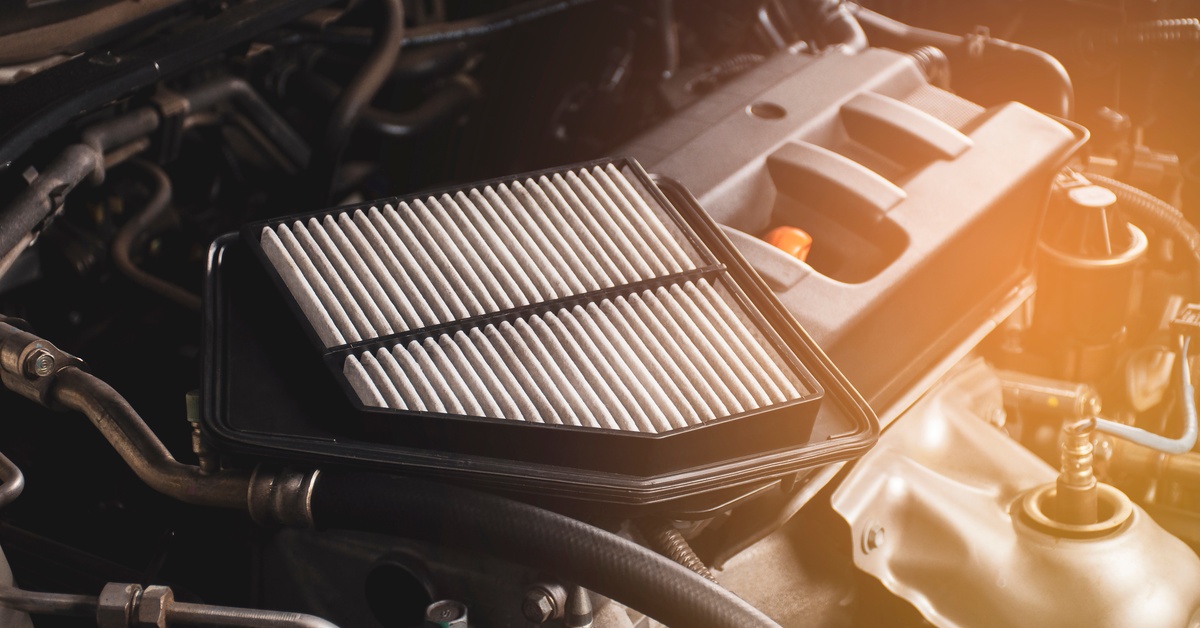
However, your results will vary depending on the specific part you’re looking for. Simply put, OEM parts are ideal for repairs and maintenance but if you want to browse aftermarket options for performance benefits, opt for top-quality solutions. Thankfully, you can easily browse Audi OEM parts right now that are compatible with your car, whether you need air filters, suspension parts, or another component entirely. This makes it easy to always find the best part for your needs.
Factors to Consider When Choosing Parts for Your Audi
Deciding between OEM and aftermarket parts boils down to your specific priorities. If ensuring peak performance and preserving your car's value are non-negotiables, OEM parts are the best route. They’re ideal if your Audi is still under warranty or if it’s a newer model where maintaining factory standards is crucial.
On the other hand, aftermarket parts might make sense if you’re looking for a cost-effective solution for an older model. If you’re someone who drives regularly and puts significant mileage on your Audi, durability will also be a key consideration. Paying more upfront for OEM parts could save you money in the long run by avoiding frequent replacements. Meanwhile, if your driving is less intensive, certain aftermarket options may be sufficient for your needs.
Making the Right Choice for Your Audi
Striking the right balance between quality and cost is the ultimate goal when choosing parts for your Audi. For some, peace of mind is worth the higher price tag of OEM parts. These owners value reliability and the assurance that they’re using components designed specifically for their vehicle.
For others, finding high-quality aftermarket options can deliver similar functionality while keeping costs down. The key is to research reputable manufacturers and consult with trusted mechanics who understand Audi’s engineering standards.
Ultimately, the choice comes down to what fits your vehicle and your situation. It’s worth remembering that your Audi deserves parts that uphold its precision engineering and reputation for performance. Weighing the pros and cons of each type of component will empower you to make the best decision for your car.
Protecting Your Audi’s Longevity
Evaluating the benefits of OEM vs. aftermarket Audi parts will help you sift through the many parts on the market and settle on the perfect match. Keeping your Audi in peak condition requires thoughtful care and maintenance decisions. Whether you opt for OEM or aftermarket parts, your priority should always be preserving the integrity and performance of your vehicle.
By understanding the unique advantages and potential drawbacks of each option, you can make an informed choice that aligns with your goals. For questions or guidance, consider consulting professionals familiar with Audi vehicles to ensure you’re making the best investment.
No matter which path you choose, prioritizing quality and fit will contribute to your Audi's longevity, ensuring it continues to deliver the performance and luxury you expect.