
Audi No-Start & Battery Drain Guide: Batteries, Alternators, Starters, and the Checks That Save You Time
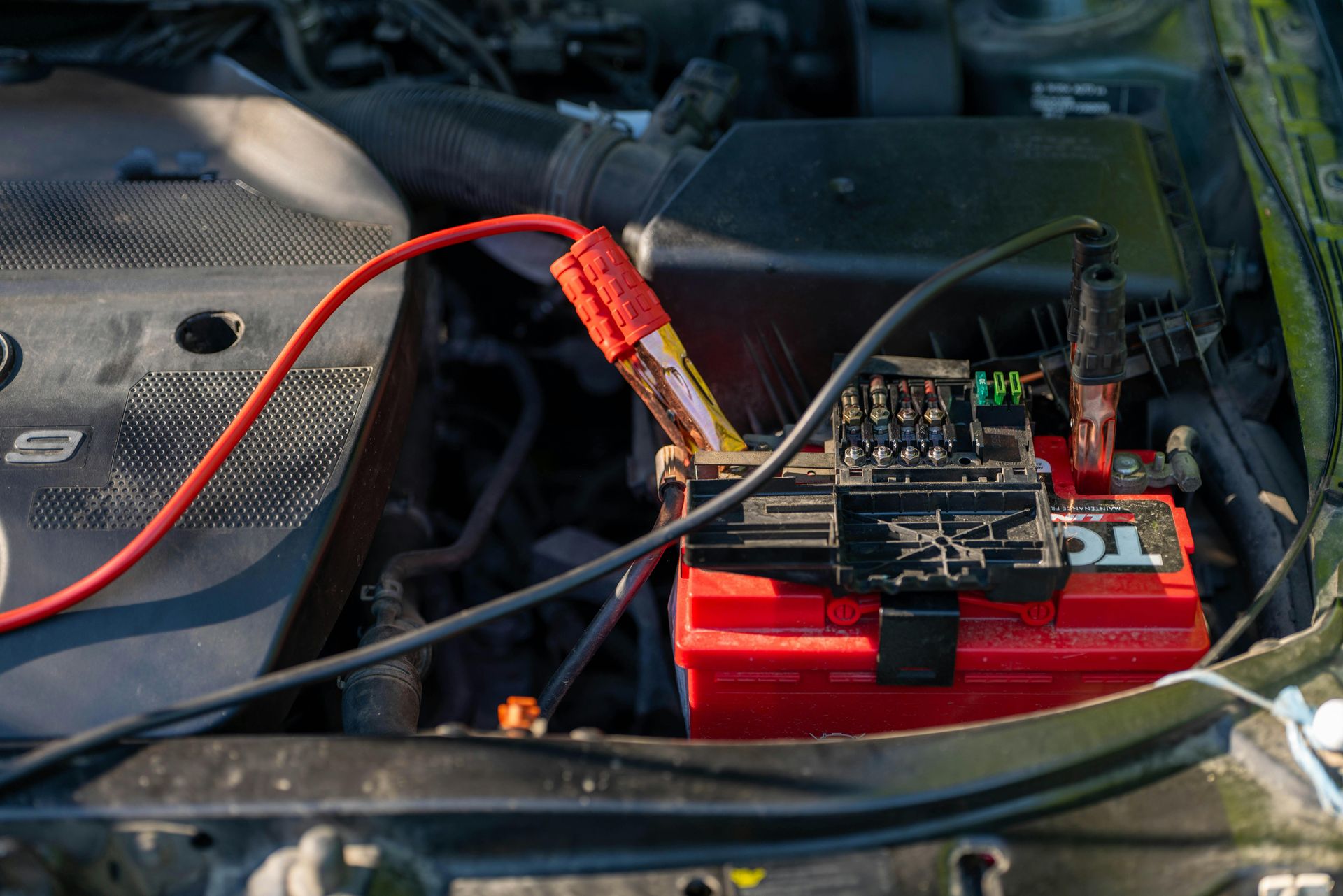
An Audi no-start problem often points to a dead battery, weak alternator, failing starter, loose connection, or corrosion somewhere in the charging and starting system. This guide helps you connect the symptom to the likely cause, run a few practical checks, and choose the right OEM-quality replacement parts with more confidence.
Start Here: What Happens When You Turn the Key or Press Start
Nothing happens, no crank, no click
If the dash lights are dim or the car is completely unresponsive, start with:
- Battery voltage
- Cable connections
A fully dead battery, loose terminal, bad ground, or major power supply issue can all cause this symptom.
Clicks but won’t crank
- A single click can point to a starter problem, low battery power, or poor cable contact.
- Rapid clicking usually means the battery has enough power to activate relays, but not enough to turn the engine.
Slow crank, then starts
A slow crank is one of the clearest early warnings. The issue may come from:
- An aging battery
- A starter drawing too much current
- A poor connection limiting power flow
Starts with a jump, dies later
If your Audi starts with a jump but dies after driving, check:
- The alternator
- The charging circuit
The battery can start the car once, but the alternator has to keep the electrical system charged while the engine is running.
Random dead battery overnight
An overnight drain may come from:
- An aging battery
- A module that stays awake
- An accessory drawing current
- A charging issue that never fully restores the battery during normal driving
Battery Basics That Actually Matter on Audis
Battery age, correct size, and cold-weather impact
Cold weather exposes weak batteries quickly because engines need more cranking power while battery output drops. If your Audi struggles most on winter mornings, check the:
- Battery age
- Battery size
- Battery rating
- Terminal condition
Check these areas before blaming larger components.
Common signs your battery is done
Warning signs include:
- Dimming lights
- Repeated jump starts
- Slow cranking
- Low resting voltage
- Electronics acting strangely during startup
If the battery cannot hold a charge after proper testing, it may be time to shop Audi replacement batteries that match your vehicle’s requirements.
When the tray and hold-down hardware are the real issue
A loose battery can:
- Vibrate
- Stress cables
- Create intermittent electrical problems
If the battery shifts in the tray or the hold-down is missing, inspect Audi battery trays and mounting hardware before installing a new battery.
Alternator Clues: When the Car Runs Until It Doesn’t
Warning lights and voltage swings
A failing alternator may trigger:
- A battery warning light
- A charging fault
- Dim lights
- Unstable voltage
The car may run for a while on stored battery power, then stall once that power is used up.
Battery light vs multiple module warnings
Low system voltage can confuse several control modules at the same time. If many warnings appear together, do not assume every system has failed. A weak alternator, poor ground, or low battery voltage can create a chain of unrelated-looking alerts.
Quick driveway checks
Check the:
- Belt condition
- Battery terminals
- Alternator connector
- Main charging cable
A basic voltage check can also help separate a weak battery from a charging problem. With the engine running, compare charging voltage against the correct specification for your model.
Replace vs rebuild mindset
Alternator problems can involve:
- Bearings
- Internal electronics
- Pulley issues
- Charging output
For many owners, replacing the assembly is cleaner than chasing repeat charging faults. When testing points to the charging unit, review Audi alternators and generators built for the correct application.
Starter Symptoms: It’s Not Always the Battery
One loud click vs rapid clicking
- One solid click often means the starter is being commanded but not turning properly.
- Rapid clicking usually points back to low voltage or poor cable contact.
Testing the battery first helps you avoid replacing a starter that never had enough power.
Heat soak starts
Some starter problems show up after the engine is hot. The car may:
- Start normally in the morning
- Refuse to crank after a short stop
Heat can increase electrical resistance and reveal a weak starter motor or connection.
Starter motor vs starter components
If diagnosis confirms the starter assembly is failing, compare the correct Audi starters for your model. If the issue is isolated to related hardware or serviceable pieces, Audi starter parts may be the better path.
Preventing Repeat Failures
Cable corrosion and grounds
Clean power delivery matters as much as the battery itself. These issues can mimic a weak battery, bad starter, or failing alternator:
- Corroded terminals
- Loose grounds
- Damaged cables
- Poor contact points
Parasitic drain basics
A parasitic drain means something continues drawing power after the car should be asleep. Common clues include:
- A battery that tests good but keeps dying overnight
- Interior lights staying on
- Accessories tied into constant power
Battery registration or initialization note
Some Audi models require battery registration, adaptation, or initialization after replacement. Confirm the requirement for your vehicle so the charging system manages the new battery correctly.
Seasonal & Emergency Readiness, Especially Midwest Winters
Cold starts and supplies to keep on hand
Winter no-start problems are easier to prevent than solve in a frozen parking lot. Before cold weather, it helps to:
- Keep the battery tested
- Inspect cables
- Maintain basic supplies
It is also smart to check antifreeze and coolant supplies before temperatures drop, since cold-weather readiness is not only about the battery.
If you’re stranded: safe towing basics
If the vehicle will not start and cannot be safely jump-started:
- Avoid improvised recovery methods
- Use proper equipment
- Follow the vehicle’s towing guidance
- Keep a tow strap for emergency recovery available where appropriate
Frequently Asked Questions
How long do Audi batteries typically last?
Many batteries last a few years, but the timeline can change based on:
- Climate
- Driving habits
- Charging health
- Electrical load
Short trips and cold weather can shorten battery life.
Can a bad alternator mimic a bad battery?
Yes. A bad alternator may leave the battery undercharged, making the vehicle act like the battery is faulty even when the battery is only drained.
Why does it start with a jump but not on its own?
The battery may be:
- Weak
- Undercharged
- Unable to hold voltage
If it dies again after driving, test the alternator and charging connections too.
Should I replace the starter or just starter parts?
That depends on the diagnosis. A complete starter may make sense for internal motor failure, while related parts may solve a more specific connection or component issue.
Wrap-Up
Audi no-start and battery drain problems are easier to solve when you follow the symptom:
- Slow cranking points first to the battery and cables.
- Charging warnings point toward the alternator.
- A single click may lead to the starter once voltage is confirmed.
Check connections, grounds, and mounting hardware before replacing major parts. Then shop the correct Audi batteries, alternators, starters, and related components based on what the tests show.