
Audi Soft Brake Pedal & Brake Fluid Leak Guide: Brake Lines, Master Cylinders, and Wheel Cylinders Explained
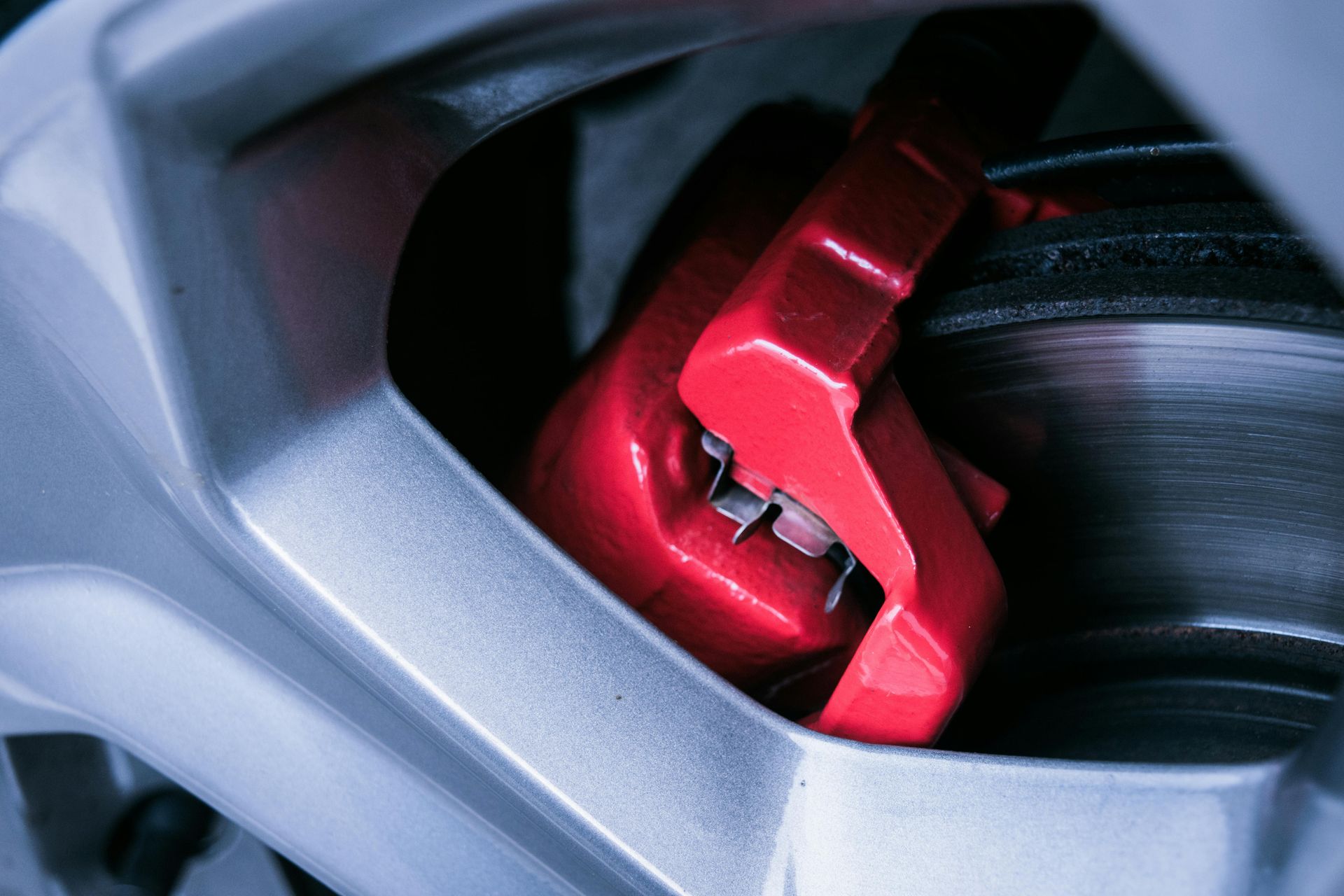
A soft brake pedal, sinking pedal, pulling while braking, or visible brake fluid leak usually points to the hydraulic side of the brake system rather than the pads and rotors. This guide focuses on Audi brake lines, master cylinders, and wheel cylinders so you can connect the symptom to the right repair area before ordering parts.
Safety First: When to Stop Driving
Pedal goes to the floor
If the brake pedal goes to the floor, stop driving as soon as it is safe. That can mean:
- Serious fluid loss
- Air in the hydraulic system
- Master cylinder failure
- Another issue that reduces braking force
Fluid puddles near the wheels or under the engine bay
Brake fluid is usually clear to amber and feels slick. These should be treated as urgent because the hydraulic system needs to stay sealed to build pressure:
- Puddles near a wheel
- Wetness along a brake line
- Fluid under the master cylinder area
Brake warning light with changed pedal feel
A brake warning light needs attention on its own, but a warning light with a softer, lower, or inconsistent pedal is more serious. Check the fluid level only when the vehicle is parked safely, and do not keep driving if there is an active leak.
Match the Pedal Feel to the Likely Cause
Soft or spongy pedal
A soft pedal often means:
- Air has entered the system
- The brake fluid is low
- A flex line is expanding
- There is a leak somewhere in the hydraulic circuit
It may feel worse after repeated stops.
The pedal slowly sinks at a stoplight
A pedal that slowly sinks while you hold steady pressure can point to the master cylinder bypassing internally. In that situation, fluid may be moving past the seals instead of holding firm pressure.
Hard pedal with poor stopping
A hard pedal is not always caused by a hydraulic leak. Depending on the model, it may involve:
- Brake assist
- Vacuum
- Electronic issues
- Mechanical issues
Even so, fluid condition and visible hydraulic parts are still worth checking during diagnosis.
Pulling to one side
Pulling under braking can happen when one side applies more braking force than the other. These can all play a role:
- Hydraulic restrictions
- Leaking wheel-end parts
- Sticking calipers
- Contaminated friction material
- Uneven pressure
Brakes work, but need constant topping off
Brake fluid should not need frequent topping off. If the level keeps dropping, check for leaks at the:
- Lines
- Fittings
- Wheel areas
- Master cylinder
- Related hydraulic parts
Brake Lines: The Hidden Failure Point
How brake lines fail
Brake lines can fail from:
- Corrosion
- Road debris
- Abrasion
- Cracked flexible sections
- Damaged fittings
- Poor routing after earlier repairs
In areas with winter road salt, underbody line corrosion is especially important to watch.
Leak clues and where to look
Look for wet spots:
- Along line runs
- At unions
- Around flexible hoses
- Near calipers
- Near wheel areas
- Under the vehicle
A line may only leak noticeably when the pedal is pressed, so a dry-looking area does not always mean it is fine.
Replacement planning
When replacing Audi brake lines, these details matter:
- Fit
- Routing
- Flare type
- Fittings
Some repairs use pre-bent lines, while others require properly formed straight line sections. The goal is a clean, secure repair that avoids rubbing, kinks, and stressed fittings.
Master Cylinder Issues: When the Pedal Sinks
What the master cylinder does
The master cylinder turns pedal force into hydraulic pressure. When you press the pedal, it sends pressurized brake fluid through the lines so the wheel-end brake components can apply force.
Symptoms of internal bypass
Internal bypass can cause:
- A sinking pedal
- Inconsistent pedal height
- Braking that changes while you hold pressure
You may not see an external leak because the problem is happening inside the cylinder.
External leaks
External master cylinder leaks may show up as:
- A dropping reservoir level
- Wetness around the cylinder
- Fluid near the mounting area
Any visible brake fluid around the master cylinder should be inspected promptly.
Replace and bench bleed overview
When the diagnosis points to the master cylinder, choose the correct Audi master cylinders and parts for the vehicle. Replacement often involves bleeding the component and the system so trapped air does not leave the pedal soft afterward.
Wheel Cylinders Where Applicable: Rear Brake Hydraulic Leaks
What a wheel cylinder does
On vehicles and brake setups with drum-style rear brakes, the wheel cylinder pushes the brake shoes outward when hydraulic pressure is applied. It is a small part, but it directly affects rear braking balance.
Signs of a leaking wheel cylinder
A leaking wheel cylinder may:
- Leave fluid inside the drum area
- Cause rear braking imbalance
- Create a low fluid condition over time
You may also notice pulling, weak rear braking, or fluid contamination near the rear brake hardware.
When to inspect related hardware
If a wheel cylinder is leaking, inspect the surrounding:
- Hardware
- Friction surfaces
- Springs
- Adjuster components
For the hydraulic side, review Audi wheel cylinders and related parts before planning the repair.
Pedal & Driver Touchpoints
Why worn pedal pads matter
Not every “bad pedal feel” complaint starts inside the hydraulic system. Worn or slippery pedal pads can let your foot shift during braking, which changes how consistent the pedal feels. Replacing worn pedals and pedal pads can improve driver control.
Differentiating pedal feel vs brake effectiveness
Pedal feel is what your foot senses, such as:
- Softness
- Travel
- Firmness
- Vibration
Brake effectiveness is how well the vehicle slows. A pedal can feel strange even when stopping power is still present, but any change should be inspected.
Towing Considerations If Your Audi Tows Anything
Trailer brakes and stopping demands
Towing adds weight and heat, which puts more demand on the braking system. If your Audi is set up for towing, inspect trailer brake parts along with the vehicle’s own hydraulic components so the full setup works together.
When to inspect hydraulic components more frequently
These can expose weak brake fluid, aging hoses, or marginal fittings sooner:
- Heavier loads
- Steep roads
- Stop-and-go driving
- Repeated heat cycles
Check fluid level, line condition, and visible leaks more often if the vehicle tows or carries heavy cargo.
Frequently Asked Questions
Is a soft pedal always air in the system?
No. Air is common, but a soft pedal can also come from:
- Low fluid
- Expanding hoses
- Leaks
- Master cylinder trouble
Why does my pedal sink only when I hold it?
A pedal that sinks under steady pressure often points to an internal master cylinder bypass or a hydraulic leak that shows up under sustained pressure.
Can a brake line leak be intermittent?
It can seem intermittent if it leaks more under pressure, during movement, or when a damaged section flexes. Any suspected brake fluid leak should be inspected immediately.
Do I need master cylinder parts or the whole assembly?
That depends on the diagnosis, part availability, and the condition of the assembly. If the bore, seals, or body are compromised, replacement may be the cleaner repair.
Wrap-Up
Audi brake hydraulic problems are easier to diagnose when you start with the symptom:
- A soft pedal may point to air leaks or line issues.
- A sinking pedal often brings the master cylinder into focus.
- Fluid near a wheel may lead to a line, hose, caliper area, or wheel cylinder on applicable setups.
Match the problem to the correct hydraulic component first, then choose the right Audi brake lines, master cylinder parts, wheel cylinder parts, or related brake hardware for a safer repair.