
Different Types of Audi Brake Rotors: What To Know
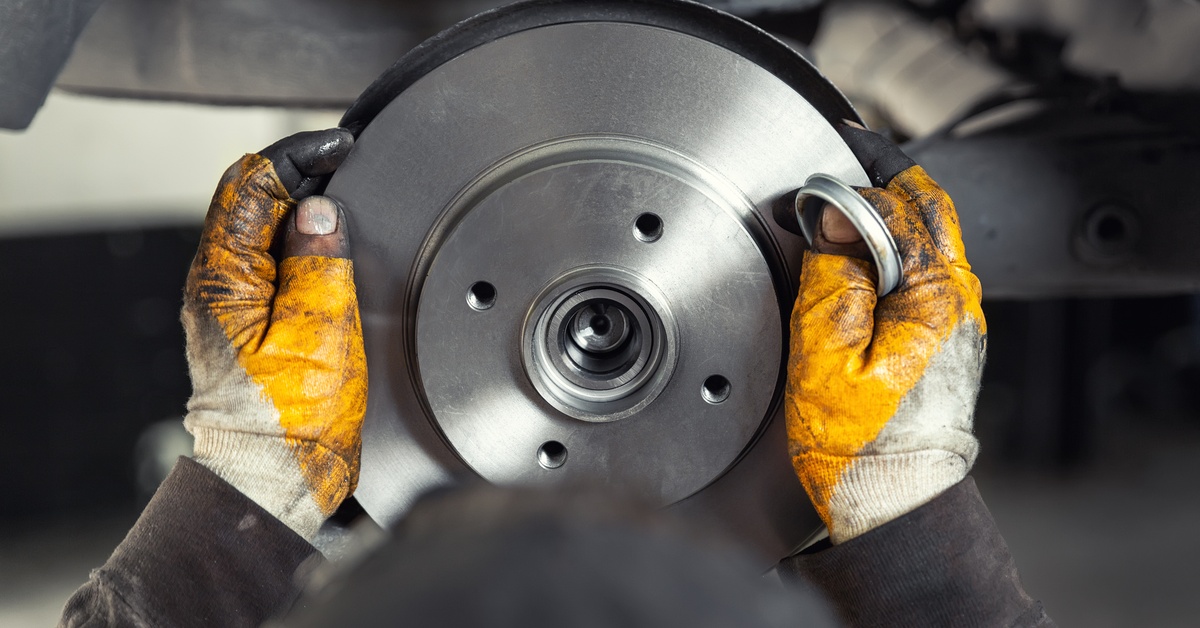
Brake rotors are at the heart of your vehicle’s braking system, playing an essential role in your Audi’s performance and safety. Your brake rotors ensure your car can stop efficiently and reliably when it needs to, whether you’re accelerating down a highway or smoothly navigating city streets.
Investing in high-quality rotors is vital for Audi owners—not just for the driver and passenger’s safety but also for preserving the iconic performance standards that Audi vehicles showcase. Understanding the differences in brake rotor types can help you make informed decisions to keep your vehicle roadworthy and performing at its best.
Let’s evaluate the different types of Audi brake rotors so you can equip yourself with the right hardware today.
What You Need To Know About Brake Rotors
Brake rotors are key components of your Audi’s braking system. They directly interact with the brake pads to generate the friction required to slow or stop your car. Hydraulic fluid triggers the brake calipers to squeeze the pads against the rotor’s surface when you press on the brake pedal, converting kinetic energy into heat. The rotor’s quality and design directly impact braking responsiveness, heat dissipation, and stopping power. High-quality rotors support dynamic driving for any Audi model, offering precision under demanding conditions.
Choosing the right brake rotor isn’t a decision to take lightly. Understanding the structure and functionality of this critical component will allow you to prioritize safety and efficiency in your vehicle’s overall performance.
Why Material Composition Matters in Brake Rotors
Brake rotors for Audis are available in various materials, each with its distinct advantages and potential trade-offs. The most basic compositions often include cast iron, a reliable choice known for its abrasion resistance and heat tolerance. Cast iron rotors are durable and perform well under normal driving conditions.
Audi owners also favor steel brake rotors, especially when seeking a balance between durability and weight savings. Each material impacts factors such as longevity and braking efficiency differently. Often, selecting the correct one requires consideration of your personal driving style and routine. No matter which material you opt for, make sure you rely on Audi OEM rotors instead of aftermarket options. That way, you know you’re getting a replacement rotor that lives up to the same standards originally used to build your vehicle.
Breaking Down the Different Types of Brake Rotors
The choice can be overwhelming when it comes to Audi brake rotors due to the variety of designs available. Each type is specific to the driver’s driving needs and conditions, offering unique benefits depending on everyday usability, adventurous outdoor driving, or high-performance precision.
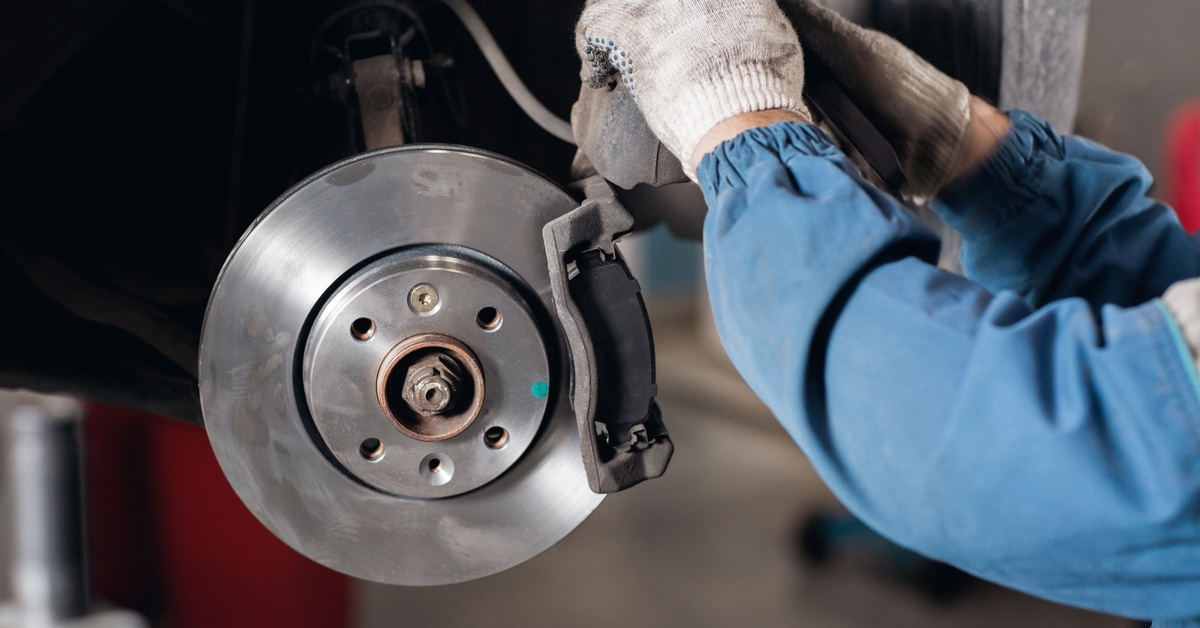
Solid rotors are the simplest in design. They consist of a single disc that balances simplicity with reliability. Solid rotors are common in rear braking systems or smaller vehicles, delivering steady performance under normal driving conditions. However, they may not perform as well during extended use because they lack features to effectively dissipate heat.
Vented rotors are an upgrade over solid ones. Manufacturers build these rotors with an internal ventilation system that allows heat to escape more efficiently. This feature improves braking performance by reducing the risk of overheating, making vented rotors a preferred choice for most modern Audi models.
Drilled rotors take performance to the next level. These rotors have holes drilled into the surface that enhance heat dissipation and shed water from the rotor’s surface during wet conditions. While drilled rotors bring superior stopping power, their structure can make them prone to cracking under intense stress, particularly during aggressive driving. Slotted rotors feature grooves or slots etched into the surface, which serve to remove debris, gas, or water that could interfere with braking efficiency.
How To Make the Right Choice for Your Audi
Choosing the optimal brake rotor for your Audi requires a close look at your driving habits and vehicle usage. Solid or vented rotors will serve you well with reliable and cost-effective performance if your daily commute primarily involves city streets or light highway driving. Drivers who frequently encounter wet or demanding conditions might find drilled rotors more suitable due to their ability to maintain consistent performance by dissipating heat and water efficiently.
Slotted or carbon composite rotors are ideal for those who push their Audi to its limits on performance tracks or enjoy adventurous driving on winding mountain roads. These designs provide the strength and precision necessary for high-speed braking without compromising vehicle control.
Beyond selecting the right rotor type, collaborating with a professional mechanic or consulting your Audi owner’s manual can guide you toward compatible options designed specifically for your vehicle’s model and year.
Caring for Your Brake Rotors and Extending Their Life
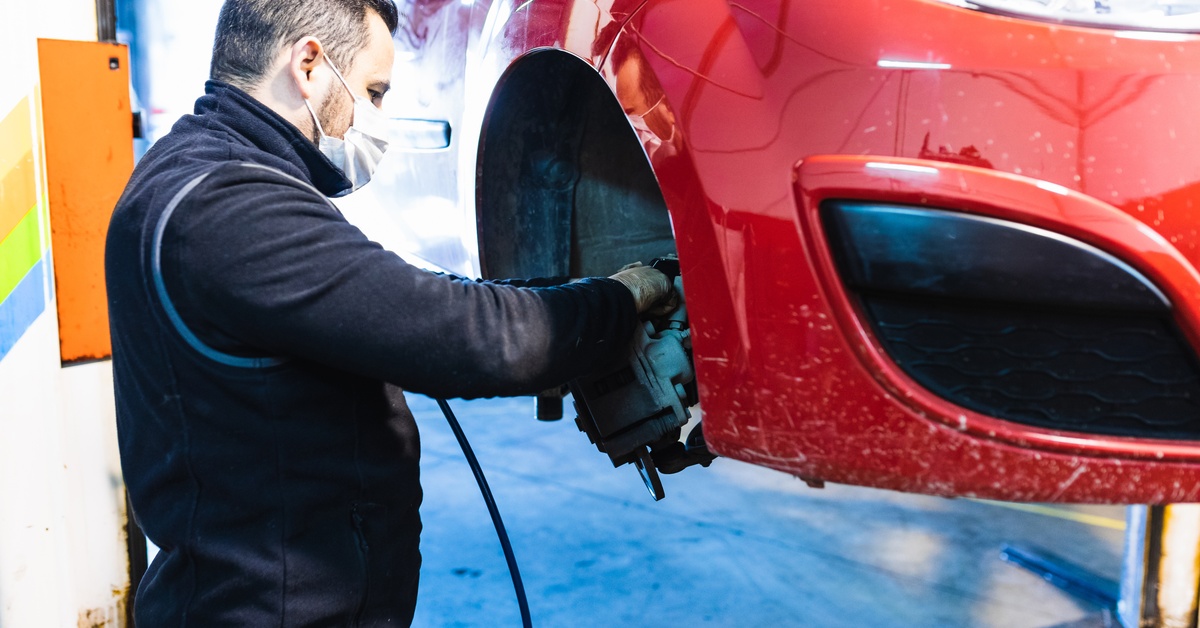
Once you’ve installed the perfect brake rotors for your Audi, careful maintenance is essential to ensure their longevity. Improper installation is one of the most common causes of rotor wear, so be sure that a skilled technician who understands your Audi’s alignment specifications installs the rotors.
Routine inspections will also go a long way in preventing rotor damage. Watch for symptoms of wear, including unusual vibrations, squealing noises, or diminished responsiveness when braking. If caught early, resurfacing the rotor may be enough to renew its performance. However, the technician or your mechanic might recommend a full replacement if the wear is severe or the rotor’s surface has become warped.
Keeping your brake pads in good condition is equally important since worn pads can reduce the rotors’ lifespan by exposing their surface to metal-on-metal contact. Promptly replacing brake pads can save you from unnecessary rotor replacements, preserving performance and cost savings over time.
Enhance Your Audi’s Performance With the Right Brake Rotors
Uncovering the different types of Audi brake rotors and what to know before installation will ensure you have a great experience when driving. The Audi’s braking system is one of the most crucial elements of its performance and safety. By understanding the variety of brake rotor types available, you can make informed decisions to match your driving style and needs without compromising the precision and quality that Audi represents.
The right set of rotors can elevate your confidence and experience behind the wheel, whether you prioritize durability for everyday commutes, advanced performance for adventurous driving, or braking efficiency under unique conditions. Pair Audi OEM rotors with careful maintenance, and your Audi’s braking performance will continue to deliver excellence during every drive.