
How Spark Plug Gaps Affect Your Audi’s Performance
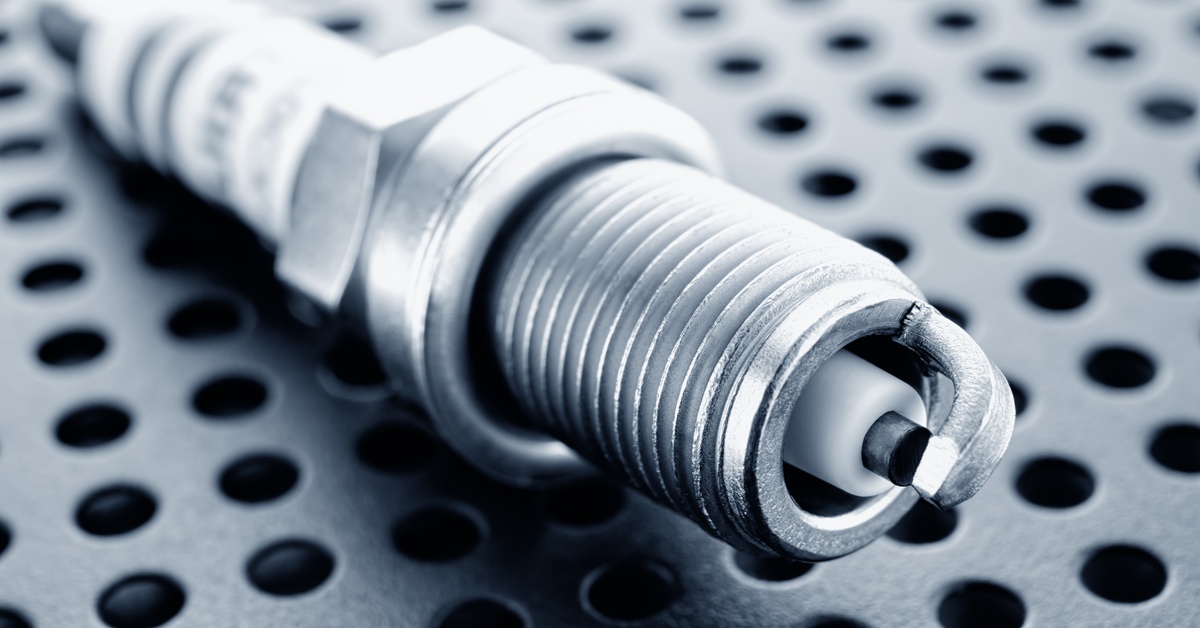
The spark plug gap might seem like a minor detail, but it plays a pivotal role in determining how effectively your engine converts fuel into motion. When properly set, this gap ensures optimal combustion timing, complete fuel burn, and smooth engine operation. On the other hand, an incorrect gap can lead to misfires, reduced power, and premature engine wear.
Understanding how spark plug gaps affect your Audi’s performance empowers you to make smart decisions about maintenance and helps your vehicle deliver the refined driving experience you expect. Learn more about Audi spark plug gaps below so you can keep your engine running smoothly every single day.
Understanding the Role of Spark Plugs
Spark plugs are the ignition catalysts within your Audi’s combustion chamber. They create the electrical arc needed to ignite the compressed air-fuel mixture. This seemingly simple component must withstand extreme temperatures, pressures, and chemical environments while maintaining consistent performance.
Modern Audi engines rely on sophisticated fuel injection systems that deliver precisely metered amounts of fuel to each cylinder. The spark plug must fire at exactly the right moment to ensure complete combustion of this carefully prepared mixture. The timing and intensity of this spark directly influence how efficiently your engine converts gasoline into mechanical energy.
Your Audi’s engine management system is what coordinates the spark plug firing sequence with numerous other variables, including fuel injection timing. This intricate dance of mechanical and electronic components requires each spark plug to perform flawlessly, and the gap between each plug plays a role in this performance.
The Significance of Proper Spark Plug Gaps
The spark plug gap is the distance between electrodes on each spark plug.
The electrical energy that jumps across each electrode must be sufficient to ignite the compressed fuel mixture, regardless of engine load, temperature, or operating conditions.
When the gap is too narrow, the electrical arc may not possess enough energy to completely ignite the fuel. This is particularly true under high-load conditions where the air-fuel mixture becomes denser and more difficult to ignite. The resulting insufficient ignition energy can result in incomplete combustion, which reduces power output and increases harmful emissions.
On the other hand, an excessively wide gap requires more electrical energy to bridge the distance between electrodes. While this might seem to provide stronger ignition, it can actually strain your Audi’s ignition system, potentially causing the coil to work harder and fail prematurely. The increased electrical demand can also lead to inconsistent firing, particularly as the ignition system ages.
Audi engineers determine the ideal gap specification through extensive testing across various operating conditions. This is because, as we mentioned, temperature and pressure conditions within the combustion chamber influence how the spark plug gap performs. Your Audi’s engine operates across a wide range of conditions, from cold starts to high-performance driving scenarios, and the gap must provide consistent ignition performance throughout this entire spectrum.
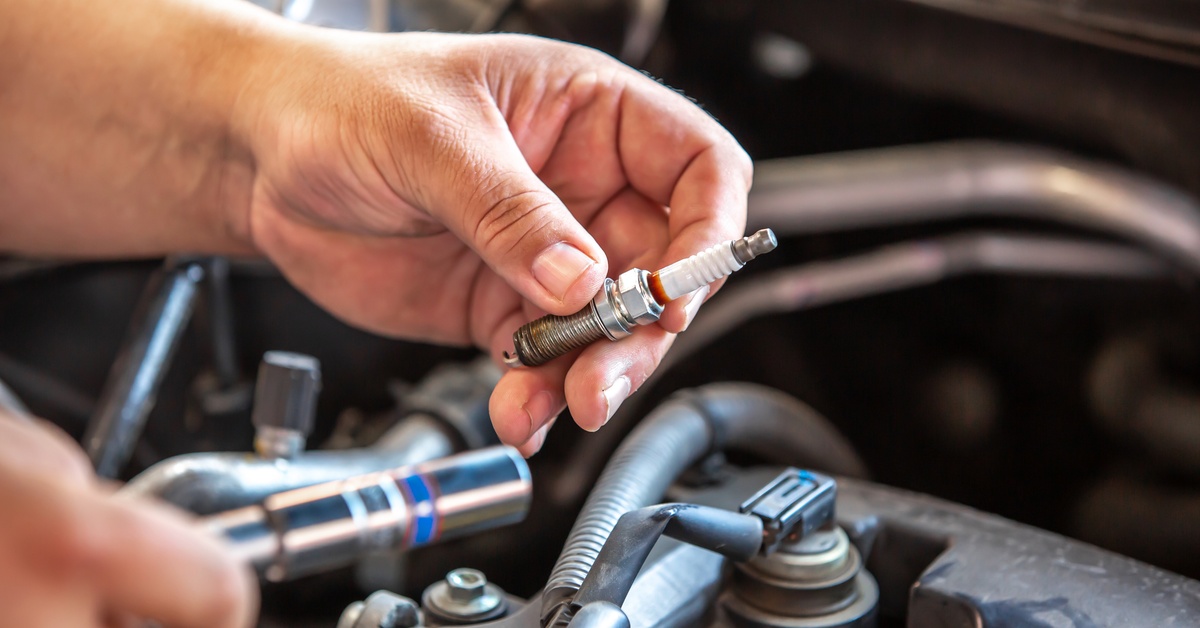
Symptoms of Incorrect Spark Plug Gaps
Identifying the symptoms of an incorrect gap will give you an even better idea of how spark plug gaps affect your Audi’s performance.
Misfiring
Engine misfires are one of the most common symptoms of an improper spark plug gap. These misfires may manifest as rough idling, hesitation during acceleration, or a subtle lack of smoothness in engine operation.
Worsened Fuel Economy
Reduced fuel economy often accompanies spark plug gap issues, as incomplete combustion forces the engine to work harder to produce the same power output.
Issues With Acceleration
Acceleration performance may suffer when spark plug gaps are incorrect, with the engine feeling less responsive to throttle inputs. This symptom becomes particularly noticeable when you accelerate quickly to merge onto a highway or climb a hill.
Trouble Starting
Starting difficulties, especially during cold weather, can indicate spark plug gap problems. The denser air-fuel mixture present during cold starts requires reliable ignition, and incorrect gaps may prevent consistent firing when the engine needs it most.
Choosing the Correct Spark Plug Gap for Your Audi
To determine the appropriate spark plug gap for your Audi, you should consult the manufacturer’s specifications, which vary based on the model you’re driving. These specifications reflect extensive engineering testing and should be followed precisely to ensure optimal performance and reliability.
Always opt for OEM spark plugs specifically suited to your vehicle. For example, at Audi Midwest, we have Audi spark plugs for sale, so you can find a great OEM replacement for your vehicle. When you buy a spark plug meant for your car, you shouldn’t encounter any performance reduction.
Your owner’s manual typically contains the correct spark plug gap specification for your specific model, making maintenance even easier. This information ensures you select components that complement your Audi’s sophisticated engine management system. Nowadays, most spark plug gaps are already calibrated, though that was not always the case. This doesn’t discount the importance of checking your spark plug gap for optimal results, especially when performing a replacement.
Environmental factors, including altitude and climate, can influence optimal spark plug gap requirements. High-altitude operation may benefit from slightly different gap specifications due to reduced air density, while extreme temperature conditions might require adjustments to maintain consistent ignition performance.
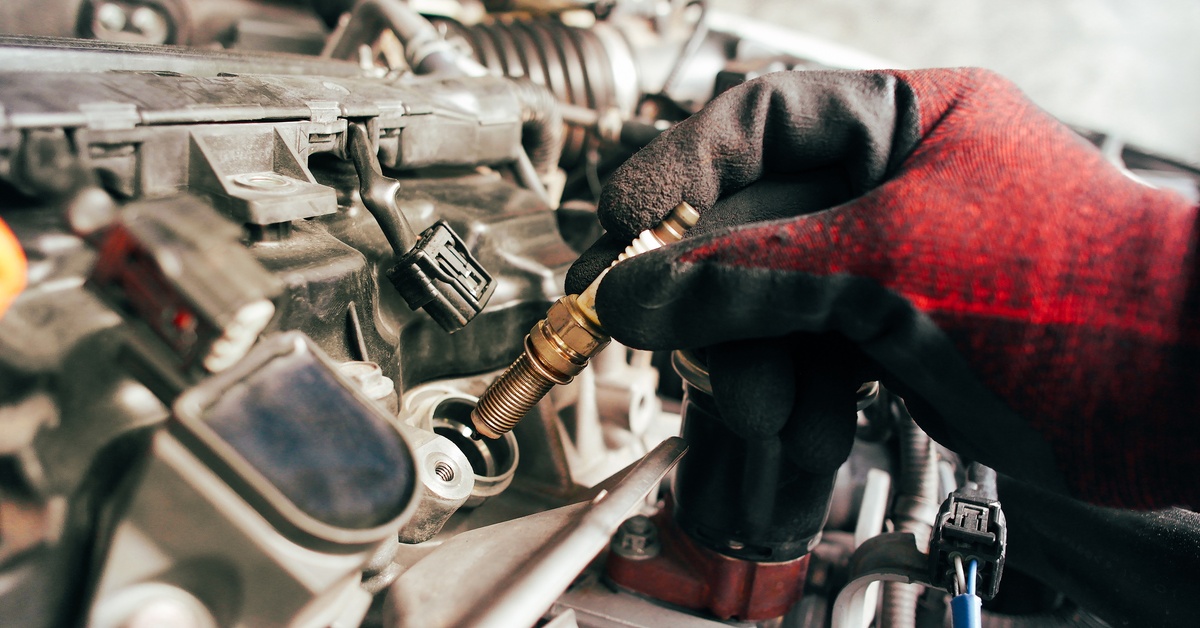
The Importance of Professional Installation
Professional spark plug installation ensures proper gap setting and compatibility with your Audi’s sophisticated ignition system. Qualified technicians possess the specialized tools and knowledge necessary to perform this seemingly simple task correctly, preventing potential engine damage from improper installation.
Moreover, spark plug gap adjustment requires precision measuring tools and proper gapping techniques to avoid damaging the delicate electrode surfaces. Professional technicians use calibrated gap gauges and proper adjustment procedures to ensure each spark plug meets exact specifications without compromising electrode integrity.
Thus, expert installation ensures all your engine’s components work together harmoniously, maintaining the performance standards expected from Audi’s engineering.
Finally, diagnostic testing following spark plug installation helps verify proper ignition system operation and identifies any potential issues before they affect performance. Professional technicians can perform comprehensive ignition system tests.
Optimizing Performance Through Precision
Proper spark plug gaps are just one element in your Audi’s complex performance equation, but they’re important, nonetheless.
Regular maintenance schedules should include spark plug inspection and gap verification to ensure consistent performance throughout your vehicle’s life. Professional technicians can assess gap wear patterns, electrode condition, and overall ignition system health during routine service intervals.
Contact your authorized Audi service center to schedule a comprehensive ignition system inspection and verify your spark plug gaps meet factory specifications. This proactive approach to maintenance helps preserve your vehicle’s performance while preventing costly repairs that might result from ignition system neglect.