
How To Know When It’s Time To Replace Your Audi’s Brake Pads
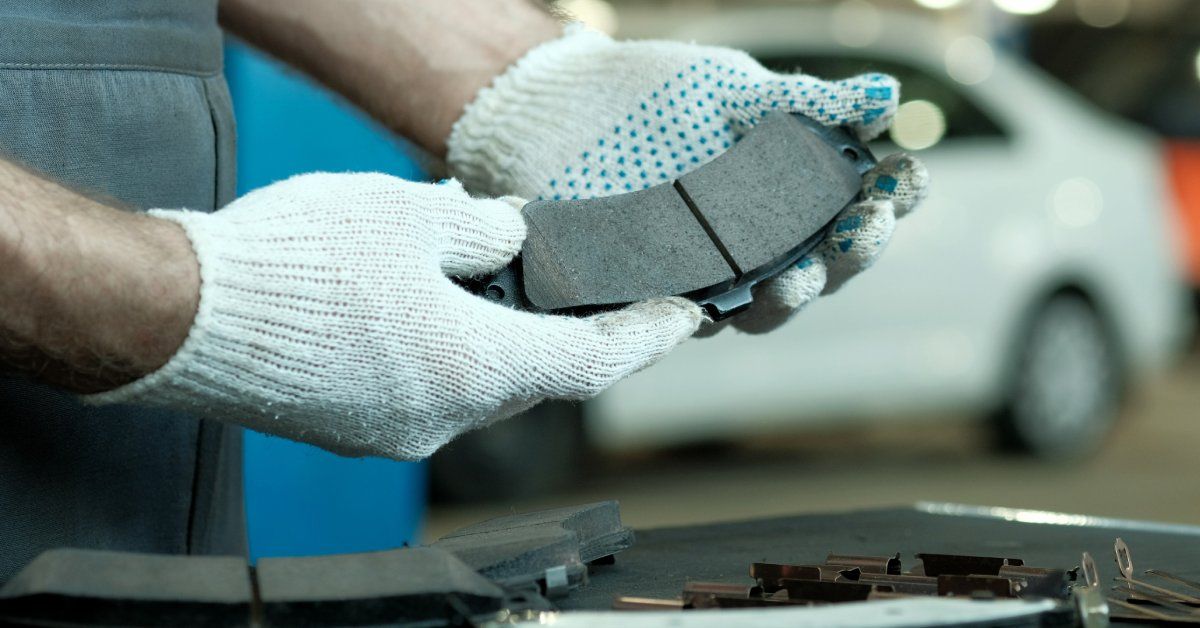
Brake pads are some of the most critical components of a vehicle’s braking system. Over time, they will wear down and require replacing. Neglecting replacements could put you, your passengers, and other drivers at risk.
Knowing when it’s time to replace your Audi’s brake pads is important for safety on the road. This guide explores the signs you should look for, so you’ll always know when it’s time to act. Follow this walkthrough to learn how you can take better care of your Audi right now.
Sounds Like Trouble
Your Audi might be trying to tell you that it’s time for new brake pads—you have to know how to listen. A high-pitched squealing or screeching sound is typically the first indicator. This sound comes from a built-in wear indicator in most brake pads, which rubs against the rotor when the pad reaches the minimum safe thickness. The noise may begin faintly but will become more consistent the more you drive.
Ignoring this warning can lead to a deeper, harsher grinding sound, signaling that the brake pad is completely worn down. At this stage, the metal backing of the pad comes into contact with the rotor, causing severe damage that may require expensive rotor replacements in addition to new pads.
Visual Inspection
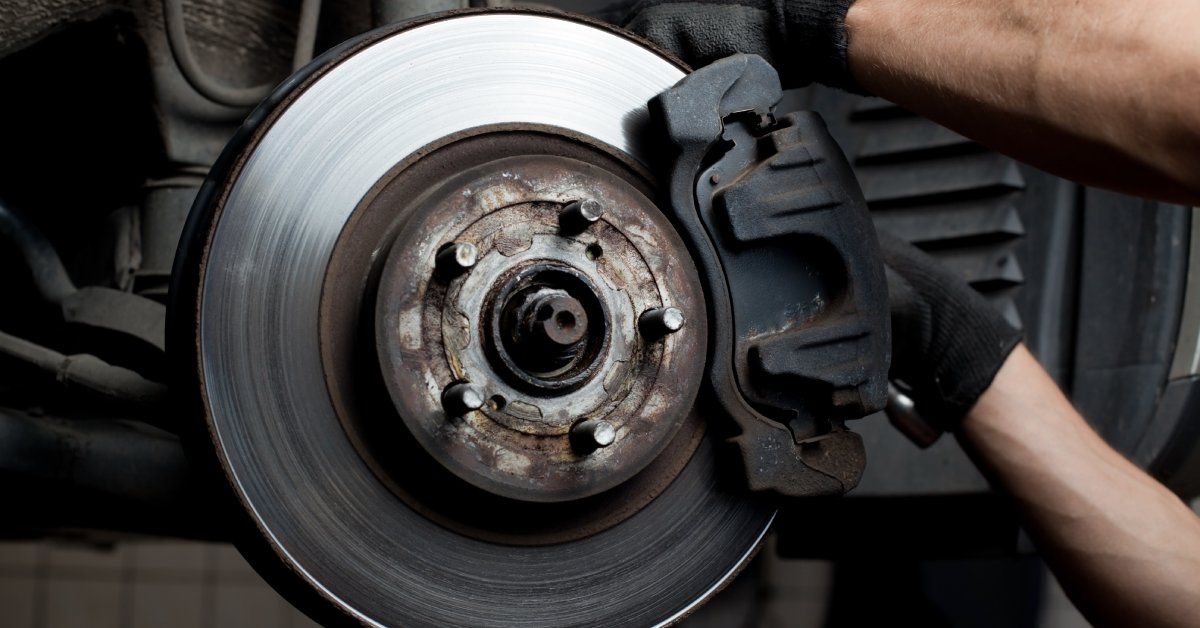
Sometimes, seeing is believing. Brake pads are visible through the wheels on most Audi models, and a quick glance can give you insights into their condition. Brake pads in good shape should have at least a quarter-inch of material. If the pads appear thinner than that or you notice uneven wear, it’s time to replace them.
Additionally, keep an eye on the brake rotors. Deep grooves or scoring on the rotor surface can indicate that overly worn pads have caused damage.
Replacing brake pads before they reach this point not only saves money but also improves braking performance. If you’re unsure how to examine your car’s brake pads, consult your vehicle’s manual for guidance or seek professional assistance.
Performance Issues
Nothing is more noticeable than a change in how your car responds. If your Audi feels less responsive when you press the brake pedal, or if you need to push harder than usual to bring your car to a stop, this may point to worn brake pads.
Diminished responsiveness can make everyday driving dangerous, and it gets worse in emergency situations where every fraction of a second matters.
Another sign is a vibrating or pulsating brake pedal, which might indicate warped rotors caused by pads that were left unchanged for too long. While vibrations can sometimes result from other issues, such as uneven tire wear, addressing brake pad wear is a vital first step for proper vehicle performance. Trust your instincts—if something feels off, don’t ignore it!
Mileage Matters
Brake pad wear rates vary depending on your driving habits and road conditions, but we can share general guidelines to keep in mind. For most Audi models, brake pads last anywhere between 30,000 and 70,000 miles.
The wide range depends on how frequently you drive, the type of terrain (flat or hilly), and your braking style. For instance, urban drivers in stop-and-go traffic will typically need to replace their pads more frequently than drivers who cover long highway distances.
If you regularly tow heavy loads or drive aggressively, your brake pads may wear out even faster.
Audi’s high-performance models, such as those in the RS series, often feature specialized braking systems that can handle rigorous use, but even advanced systems need regular maintenance. Keeping track of your mileage and reviewing your driving patterns will help you anticipate replacements before worn-out pads become an issue.
Seeking Professional Advice
As you can see, knowing when it’s time to replace your Audi’s brake pads is important, but this isn’t a task you have to tackle on your own. Even if you’ve mastered basic maintenance, it’s best to at least consult a professional for this repair.
Modern Audis have advanced braking systems and sensors that require expertise to evaluate. Some models may even have electronic brake pad wear indicators that notify you through dashboard alerts when replacement is necessary. If you see a brake warning light, don’t delay in seeking professional help.
Additionally, if you’re unsure about brake pad wear, unusual sounds, or braking performance, a mechanic can perform a thorough inspection. They can also determine whether your rotors need replacing or resurfacing alongside the brake pads so that the braking system functions as a cohesive unit. Certified Audi specialists are particularly adept at addressing these needs and offering in-depth knowledge and the right tools for the job.
Choosing the Right Brake Pads for Your Audi
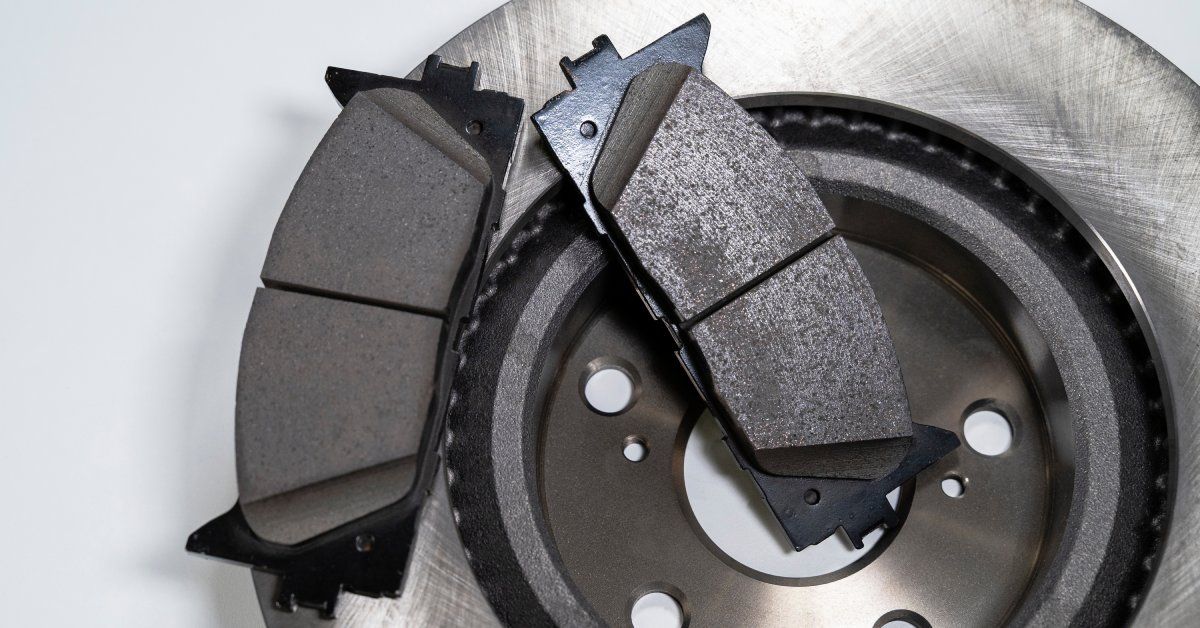
When purchasing new brake pads for your Audi, making an informed decision is vital for maintaining your vehicle’s performance and safety. The right brake pads improve braking efficiency, prolong the lifespan of your car’s braking system, and provide a smoother driving experience.
Consider compatibility with your Audi model; not all brake pads are identical. Each Audi model has unique engineering, and using brake pads designed for your vehicle ensures proper fit and function. Thankfully, it’s easy to find Audi OEM brake pads for making replacements. Original equipment manufacturer (OEM) brake pads are ideal because they meet Audi’s high standards and specifications.
Unless you’re a skilled DIYer, professional installation should be a part of your plan when buying new brake pads. While some drivers prefer to handle the installation themselves, improper fitting can compromise safety and lead to uneven wear or suboptimal braking performance. Buying from reputable retailers or distributors will further guarantee quality and peace of mind.
Prioritizing Safety Through Timely Brake Pad Replacement
Your Audi’s brake pads are essential for the safety and performance of your vehicle. By paying attention to audible warnings, conducting routine visual inspections, and monitoring braking performance, you can address issues proactively. Understanding mileage guidelines and knowing when to seek professional advice further ensures that your car remains in peak condition.
Replacing worn brake pads when necessary protects you, your passengers, and everyone else on the road. If you’ve noticed any of these signs, give your car’s brake pads the attention they deserve. A quick replacement today could make all the difference in your safety tomorrow.