
How To Tell if Your Audi’s Shocks and Struts Need Replacing
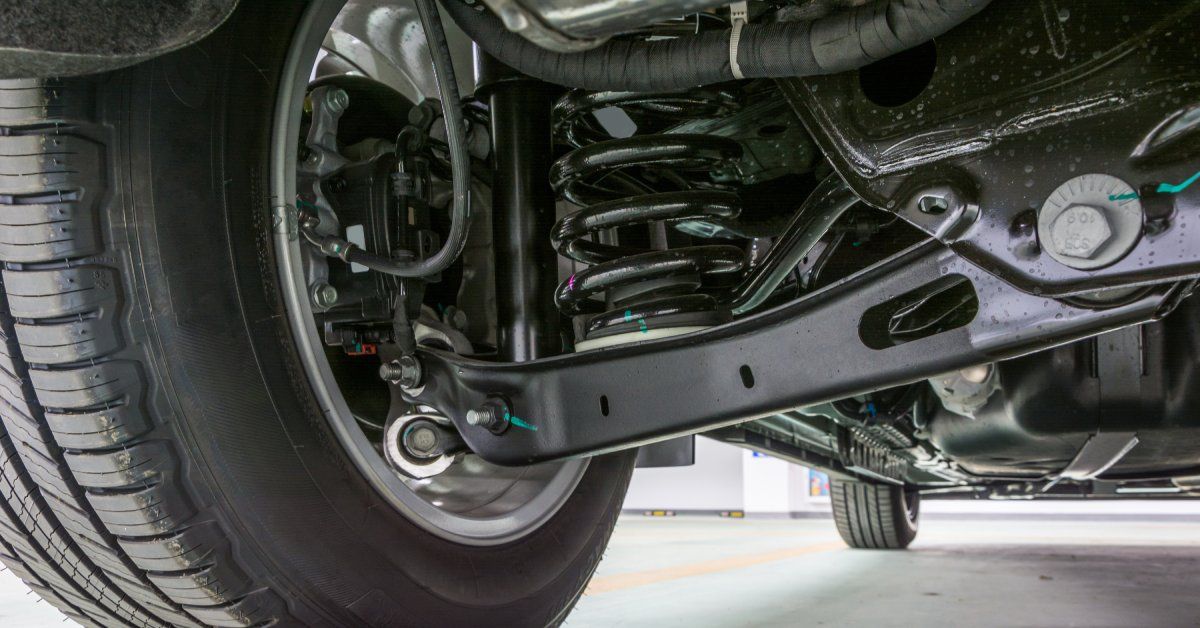
Your Audi’s shocks and struts do more than just absorb bumps in the road; they’re critical components of your vehicle’s suspension system for maintaining ride comfort, stability, and handling.
Shocks are primarily responsible for controlling the rebound of your suspension springs, while struts integrate with other suspension elements to provide structural support. Together, these parts help your vehicle’s tires stay in contact with the road surface, giving you better control behind the wheel.
When these components fail, your Audi’s performance and safety decline in kind. Unfortunately, shocks and struts are commonly overlooked in regular maintenance routines. Knowing how to identify the signs of wear is key to keeping your Audi running smoothly and safely. Here’s how to tell if your Audi’s shocks and struts need replacing.
Recognizing the Signs: Key Indicators of Failing Shocks and Struts
It’s easy to miss the key indicators of failing shocks and struts if you don’t know what to look for. Plus, even if you can identify these key signs, you may decide to put off the repairs or upkeep to save time or money. However, ignoring these issues will put a big damper on performance, affecting stopping distances and cornering capabilities. Some early indicators of failure include:
- Longer braking times.
- Excessive nose-diving during stops.
- Noticeable body roll as you take a corner.
- Slight instability when driving at higher speeds.
- Unusual knocking or clunking sound when driving over bumps or potholes.
- Uneven tire wear (suspension components can disrupt the alignment of your wheels).
Thankfully, you don’t have to wait for major mechanical problems to occur when you can become a more proactive vehicle owner right now. As you’ll learn below, there is a simple test you can try that will indicate the health of your vehicle.
The Bounce Test: A Simple Method for Assessing Your Audi’s Suspension
One of the simplest ways to check your Audi’s shocks and struts is by performing a bounce test, which requires no tools or mechanical expertise. Stand in front of your car, press down firmly on the hood, and then release it.
Watch how the car responds. If it quickly bounces back into position, your suspension system is likely in good condition. However, if it continues to bounce more than twice, the shocks or struts may be ready for a replacement.
This test also works for the rear suspension. Simply repeat the process on the trunk. While the bounce test isn’t a failproof diagnostic tool, it can provide a quick and initial evaluation to guide your next steps.
Visual Inspection: What To Look for When Examining Shocks and Struts
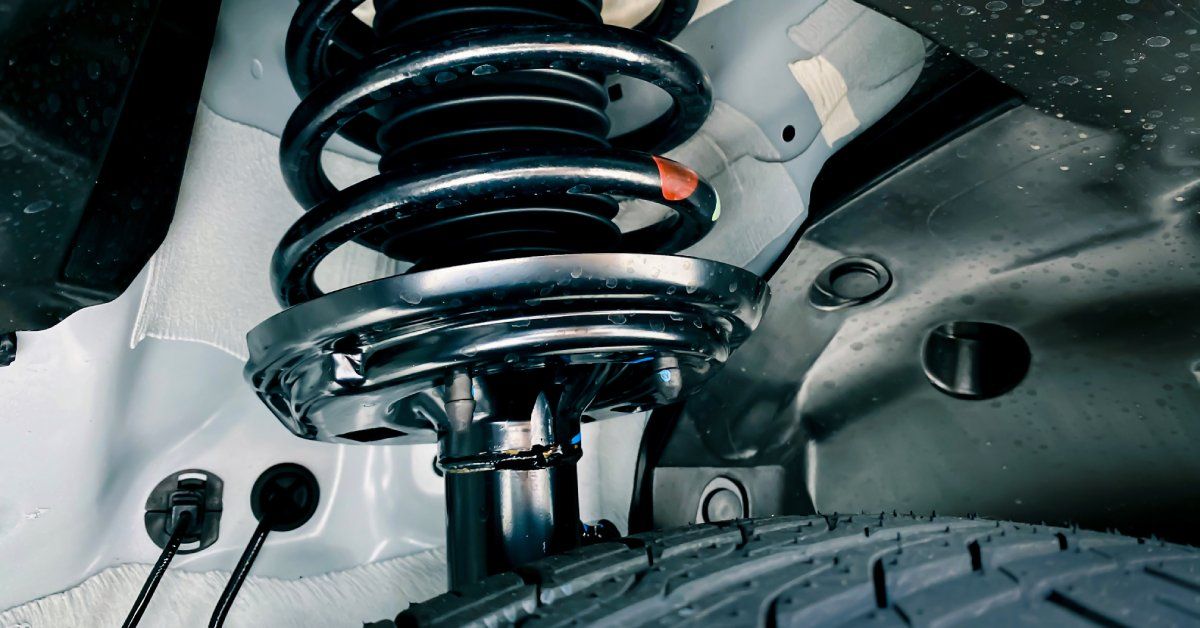
If you’re comfortable with a closer inspection, a visual examination can reveal a lot about the condition of your shocks and struts. First, look for visible oil leaks around the shock absorbers. Shocks use hydraulic fluid to function, and leaks will typically indicate that the seals have failed.
Next, inspect the overall physical shape of the shock or strut. Dents, cracks, or rust are signs the component needs a replacement. Pay attention to the mounting points as well; loose, worn, or broken mounts can severely affect how your suspension performs. If the job seems too complex, consider scheduling a professional evaluation to avoid missing critical damage.
Why Timely Replacement Matters: Safety, Performance, and Preventing Further Damage
Knowing when your Audi’s shocks and struts need replacing is invaluable. Delayed replacement can lead to more expensive problems over time. For example, excessive wear on your tires from uneven suspension could force you to replace them prematurely. Additionally, other parts of your suspension system, such as control arms and ball joints, may suffer from increased strain.
There’s also the issue of safety. Bad shocks and struts reduce your Audi’s ability to maintain tire contact with the road, which impairs braking, steering, and overall control. You’ll find it harder to respond to emergencies. Timely maintenance not only saves money but ensures that your Audi performs as the engineers intended, keeping you and your passengers safe.
Choosing the Right Replacement Shocks and Struts for Your Audi
Selecting replacement shocks and struts compatible with your Audi is crucial for maintaining the original ride quality and performance. Consider using Original Equipment Manufacturer (OEM) parts, which will seamlessly fit specific car models. Browse the Audi shocks and struts available online from Audi Midwest to find OEM parts instead of aftermarket ones.
Consider your driving needs as you choose new shocks and struts. If you frequently drive on rough terrain, you might benefit from heavy-duty shocks designed for added durability. On the other hand, if you’re an enthusiast looking for sharper handling, performance-oriented shocks are more suitable.
DIY vs. Professional Installation: Weighing Your Options
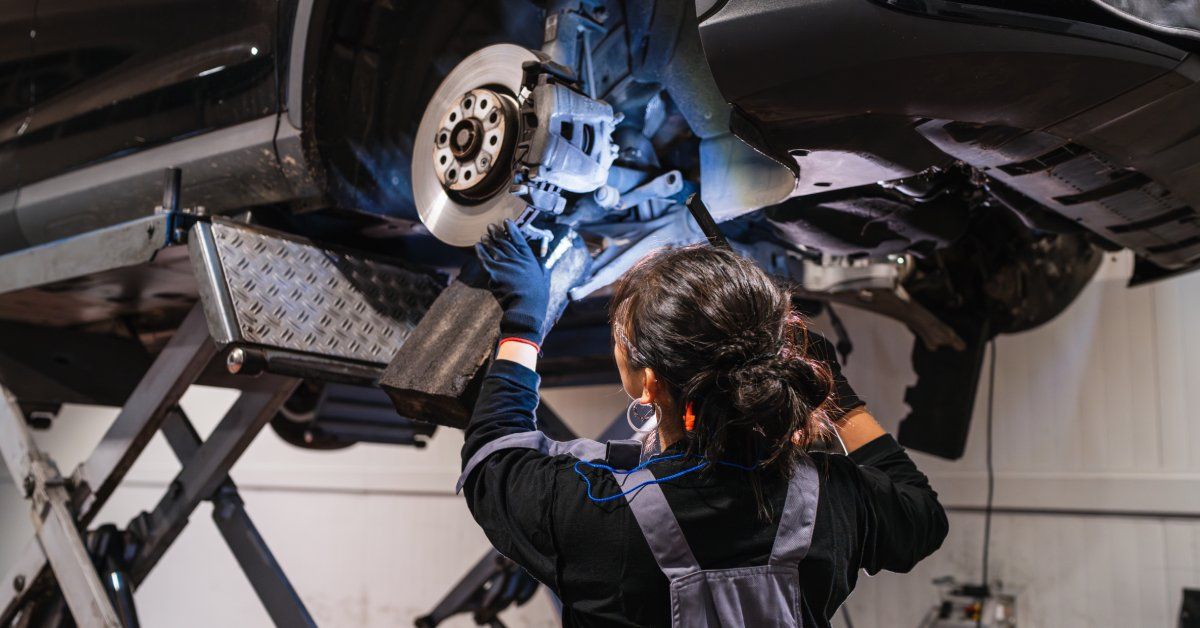
Replacing shocks and struts is an advanced repair task. While experienced DIYers with a properly equipped garage might feel confident doing it themselves, others may find the process too challenging. Improper installation can lead to suspension issues and may even void your vehicle’s warranty.
Professional installation offers several benefits, including the assurance that your components are installed and aligned correctly. Additionally, certified technicians can perform a full suspension check, identifying other potential issues that might go unnoticed during a DIY replacement. Assess your skill level and constraints before deciding which option is best for you.
Keeping Your Audi in Top Condition
The smooth, responsive handling that Audi owners love depends on a well-maintained suspension system. By understanding the function of your shocks and struts, keeping an eye out for warning signs, and taking proactive measures to replace worn components, you can ensure a superior driving experience.
If you’re unsure about the condition of your shocks and struts, consider scheduling an inspection with a professional. Good maintenance habits will not only save you money down the road but also preserve the performance and safety of your Audi. Use our comprehensive guide so your Audi always remains in top condition, right down to the performance of the shocks and struts.