
OEM vs. Aftermarket Shocks & Struts: Which Is Better?
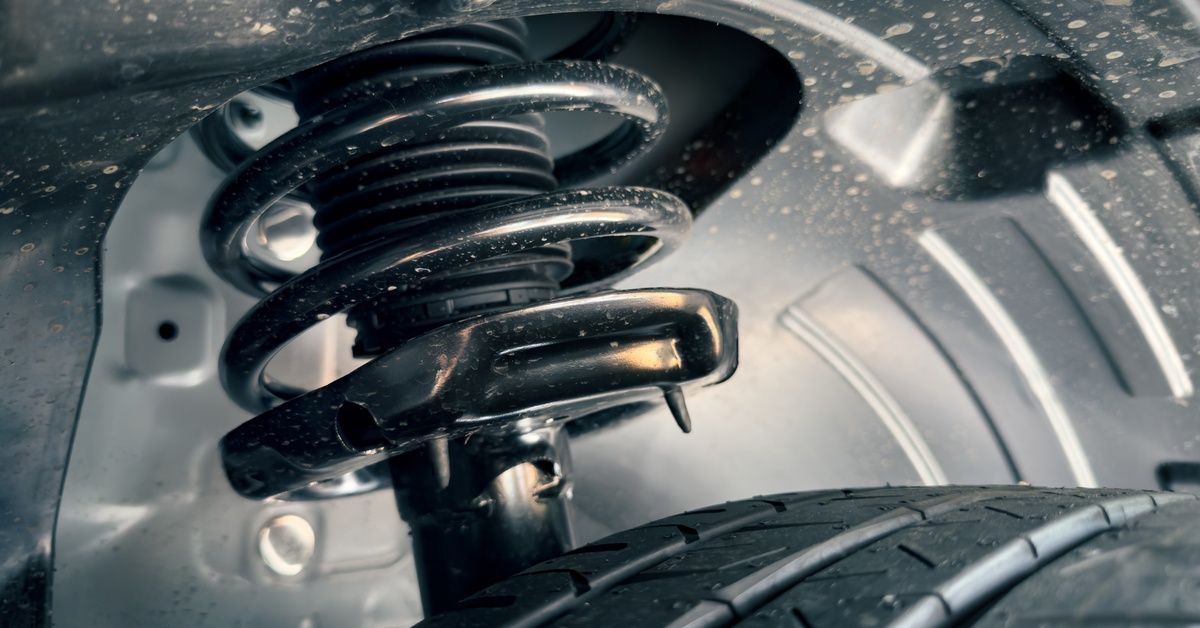
Shocks and struts play a pivotal role in your vehicle’s performance, comfort, and, most importantly, safety. These components are responsible for absorbing road impacts, ensuring smooth rides, and maintaining control over the car, especially on uneven terrain or during sharp turns.
When replacing worn-out shocks and struts, the decision boils down to two options: original equipment manufacturer (OEM) or aftermarket parts. Understanding the differences between these options can make all the difference in your vehicle’s performance and the longevity of the replacement parts.
When comparing OEM and aftermarket shocks and struts, you might wonder which is better. Check out our full breakdown on choosing the best components for your ride.
Understanding OEM Shocks and Struts
OEM shocks and struts refer to components manufactured to match the specifications provided by the original producer of your vehicle. Essentially, these parts are identical to what your car was originally equipped with when it rolled off the assembly line.
Because manufacturers design OEM parts specifically for your make and model, they deliver a consistent performance that aligns with what the manufacturer intended.
One of the defining traits of OEM shocks and struts is their reliability. Made to meet stringent quality standards, these parts frequently come with assurances from both the car manufacturer and the supplier. While OEM parts are typically more expensive, their performance, compatibility, and quality are rarely in question.
These components are widely available through authorized dealerships or directly from the automaker, making them ideal for many car owners who place a premium on original quality. At Audi Midwest, we have an extensive range of Audi suspension parts that meet OEM standards so you can keep your vehicle’s performance consistently excellent.
The Appeal of Aftermarket Shocks and Struts
Aftermarket shocks and struts come from third-party manufacturers, offering a wide array of options in performance, price points, and quality. Aftermarket parts are not limited to the exact specifications of your vehicle’s original equipment. Instead, they may enhance certain characteristics, such as ride comfort, handling, or load-carrying capabilities, depending on the design.
The diversity within the aftermarket parts market is impressive. From budget-friendly options for basic functionality to high-performance shocks and struts tailored for off-road driving or sporty handling, there is something for every type of driver. Keep in mind that with such variety comes variability in quality.
Differing Quality Levels
Some aftermarket parts offer solid performance, while others will fall short. Choosing trusted brands and thoroughly researching products is essential when considering aftermarket options.
You can find these components readily available through online retailers, local auto parts stores, and specialty performance shops. When in doubt, consult user reviews for each part or brand to learn about their reliability, consistency, and other key performance metrics.
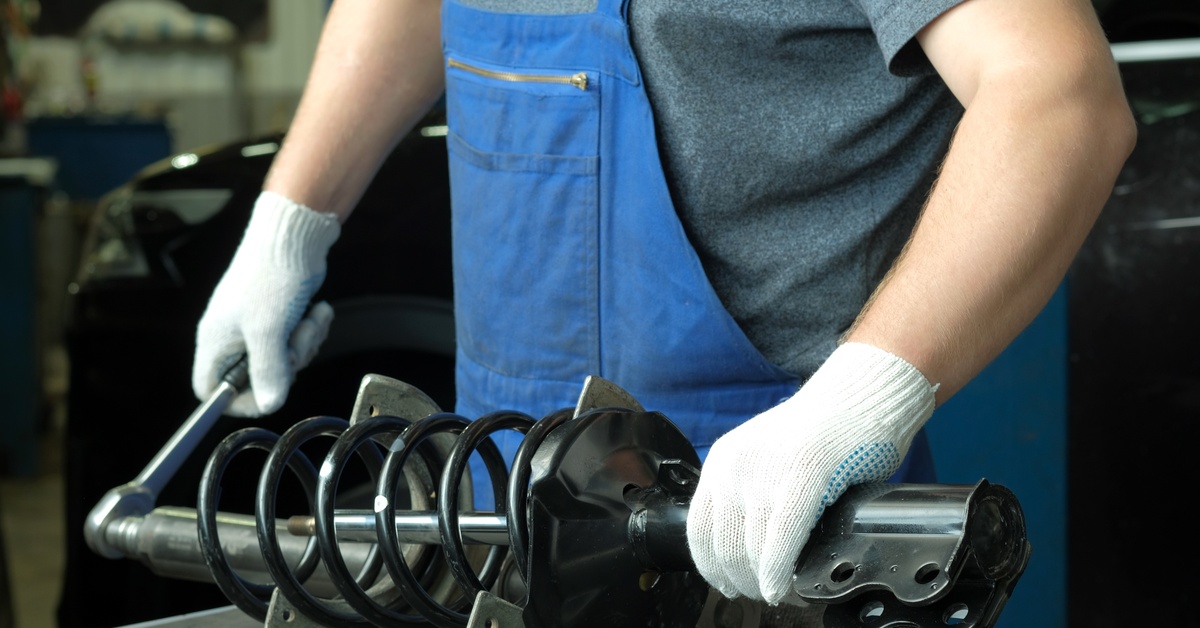
Whether you’re browsing OEM or aftermarket parts, you must know how to identify quality products. Let’s take a deeper look at how to compare options when browsing parts online or in person.
Comparing OEM and Aftermarket Options
When deciding between OEM and aftermarket shocks and struts, several key factors should inform your choice. Cost is a primary consideration; OEM parts are generally pricier due to their brand association and guaranteed compatibility. Aftermarket parts, on the other hand, present a wider range of price options to suit people with different budgets.
Refining Performance & Maintaining Compatibility
OEM shocks and struts excel in maintaining the stock feel and handling of your vehicle, making them ideal for daily drivers seeking reliability. Warranty coverage also differs between the two. OEM shocks and struts typically come with comprehensive warranties backed by the vehicle manufacturer, offering peace of mind for buyers. Aftermarket parts, while also warrantied, may come with shorter or more limited guarantees depending on the brand.
Compatibility is another strong suit for OEM components because they are made for a particular vehicle. While many third-party manufacturers design aftermarket parts to fit a range of models, guaranteeing compatibility can require additional research. Misaligned or poorly fitted struts or shocks can lead to compromised performance and excessive wear on other suspension components.
Choosing the Right Option for Your Needs
Determining whether choosing OEM or aftermarket shocks and struts is better for your vehicle requires focusing on your needs. Although OEM replacements are typically the right move, your decision ultimately depends on your vehicle and your preferences.
If you’re looking for reliability and prefer staying true to your vehicle’s original factory feel, OEM parts are a solid choice. They provide peace of mind for those who value consistency and prefer a direct replacement with no guesswork involved. For car owners seeking greater customization or enhanced performance for specific driving conditions, aftermarket shocks and struts are worth exploring.
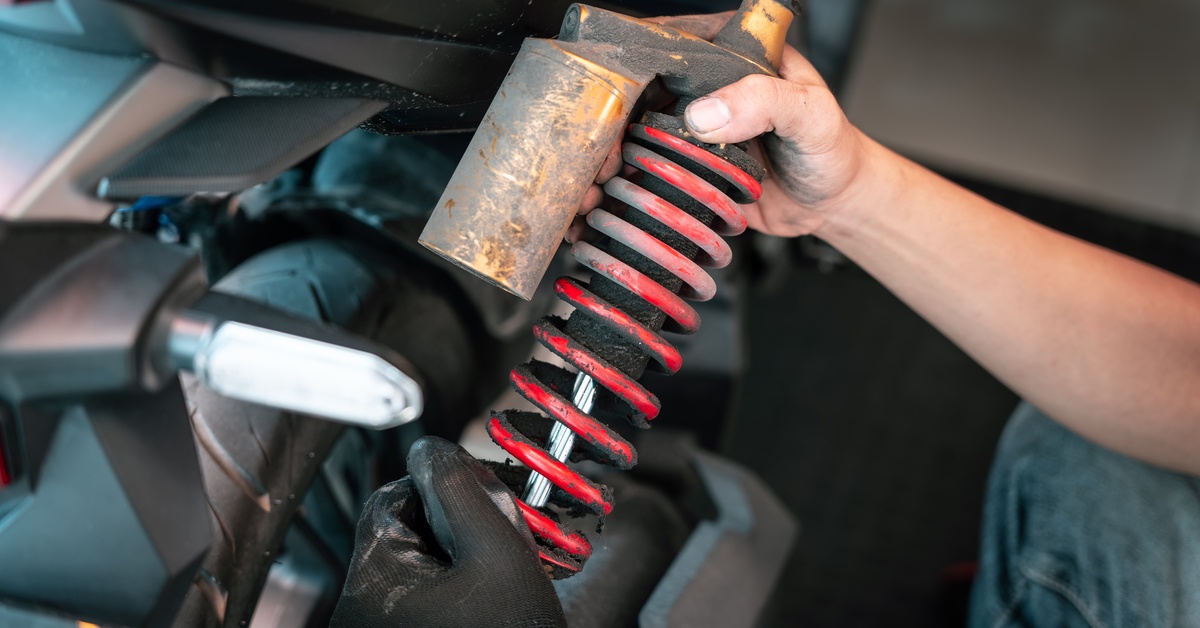
Whether you want parts for better handling during spirited driving, increased durability for off-road adventures, or a budget-friendly replacement, aftermarket options can be useful. That said, always consider checking for OEM options first for the most reliable results. Be sure to buy from reputable brands and carefully evaluate product reviews to select high-quality components.
It’s worth noting that certain scenarios may sway your decision. For example, if your car is under warranty and you want to maintain manufacturer coverage, stick with OEM parts. On the other hand, aftermarket parts could help you find a temporary replacement if you’re upgrading an older vehicle or aiming for specific performance improvements.
Finding the Perfect Fit for Your Vehicle
Shocks and struts may not be the first components you think about when considering vehicle upgrades or maintenance, but they significantly influence your car’s handling, comfort, and safety. Choosing the right replacement between OEM and aftermarket options comes down to understanding your needs, your driving habits, and your budget.
Both options have their merits, and neither is inherently better than the other, so take time to consider what you need for your regular driving habits. OEM parts ensure seamless compatibility and peace of mind, while aftermarket components open the door to customization and potential performance upgrades.
Take the time to assess your requirements and consult trusted mechanics or automotive experts if you’re unsure. After all, a well-informed decision can lead to smoother rides and a safer driving experience.