
The Role of Shocks & Struts in Enhancing Your Audi’s Safety
Your Audi deserves the best care to perform at its peak, delivering both safety and comfort on every drive. Neglecting essential components like shocks and struts can compromise handling and stability, putting both you and your vehicle at risk.
Stay ahead of potential issues and protect your investment. Read on to discover how shocks and struts enhance your Audi’s safety!
Your Vehicle’s Suspension Foundation
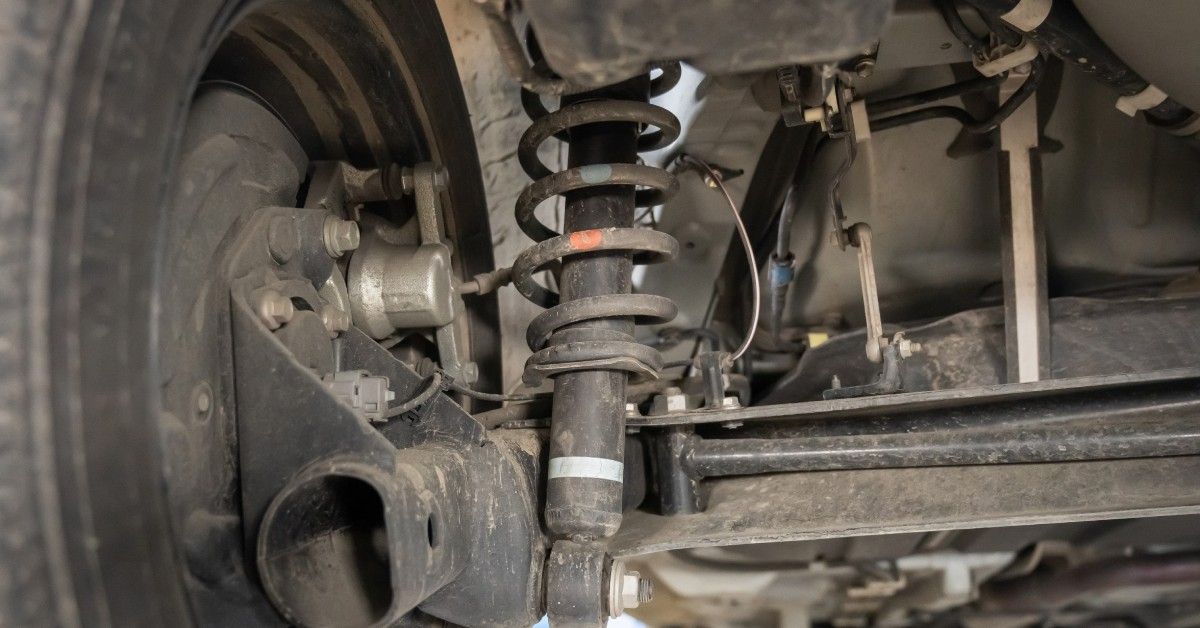
Shock absorbers control the movement of springs and suspension components, preventing your vehicle from bouncing uncontrollably after hitting bumps or dips. They work by converting kinetic energy from suspension movement into thermal energy, which dissipates harmlessly.
Struts combine multiple functions into a single assembly. They also provide structural support for the suspension system and maintain wheel alignment. Many Audis have struts in the front suspension, where they bear significant weight and steering loads.
Both components use hydraulic fluid and precisely engineered valving to control suspension movement. When working correctly, they allow your Audi to absorb road irregularities smoothly while maintaining tire contact with the pavement.
The Connection Between Suspension and Safety
The relationship between functional shocks and struts and vehicle safety extends far beyond ride comfort. These components directly influence your Audi’s ability to stop, steer, and maintain stability in emergency situations.
Braking performance suffers when shocks and struts cannot control wheel movement effectively. During hard braking, worn components allow excessive nose dive and wheel bounce, reducing tire contact with the road and extending stopping distances. This effect becomes more pronounced on uneven surfaces where tires need a greater contact patch for optimal braking force.
Steering & Stability
Steering precision and feedback depend on suspension components maintaining wheel alignment and contact. Worn shocks or struts create unpredictable handling characteristics, making it difficult to place your Audi exactly where you intend. This imprecision becomes dangerous during emergency maneuvers or when driving in challenging conditions.
Stability control systems in modern Audis rely on sensors that monitor wheel speed, steering angle, and vehicle dynamics. These systems assume normal suspension behavior when calculating interventions. Worn shocks and struts can confuse these systems or prevent them from working effectively, which might allow dangerous situations to develop.
Managing Weather Conditions
Weather conditions amplify the safety risks associated with worn suspension components. Hydroplaning becomes more likely when shocks and struts cannot maintain tire contact on wet roads. Snow and ice handling deteriorates as weight transfer control diminishes, affecting both all-wheel drive system effectiveness and traction.
Identifying Warning Signs Before Problems Escalate
Knowing the role of shocks and struts in enhancing your Audi’s safety makes it easier to identify warning signs. Worn shocks and struts rarely fail catastrophically—instead, they deteriorate gradually, making symptoms easy to dismiss or attribute to other causes. Recognizing these warning signs early protects your safety and finances by preventing additional damage to tires and other suspension components.
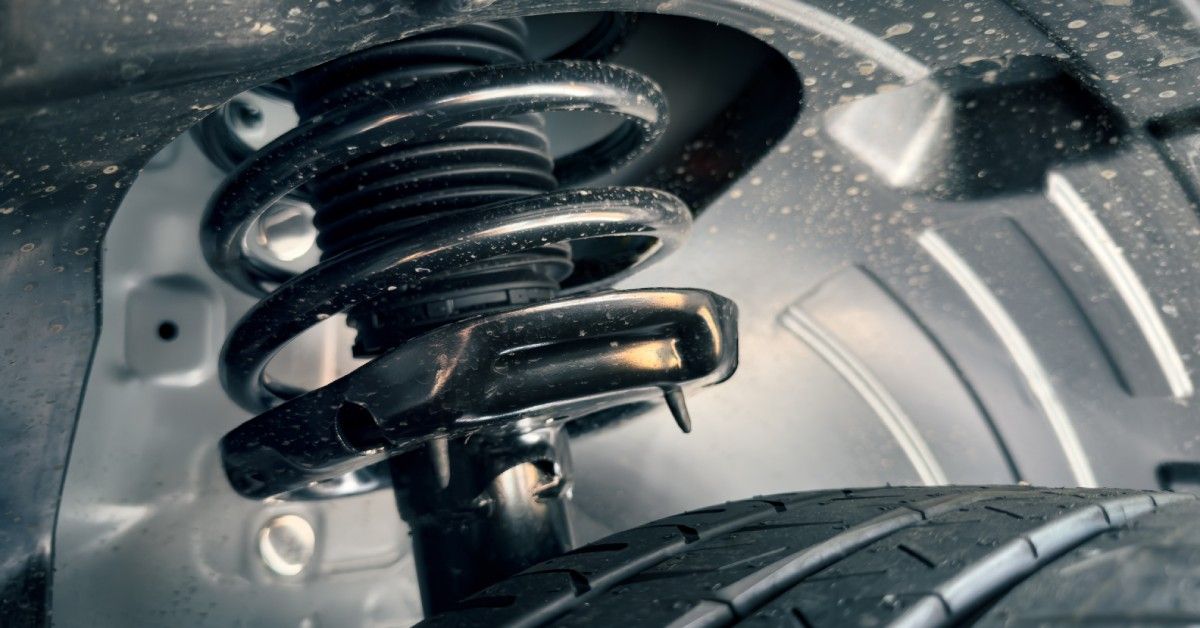
Excessive bouncing is the most obvious symptom of shock or strut failure. If your Audi continues moving up and down after hitting a bump, or if it bounces more than once when you push down on a corner and release, the damping components have lost their effectiveness.
Changes in handling characteristics will also indicate developing problems. You might notice increased body roll during turns, a tendency for the nose to dive excessively under braking, or rear-end squatting during acceleration. These symptoms suggest the suspension can no longer control vehicle movement.
Pay Attention to Tire Conditions & Strange Noises
Tire wear patterns provide valuable clues about suspension health. Cupping or scalloping—irregular wear patterns that create a wavy appearance on tire treads—commonly results from worn shocks or struts allowing tires to bounce on the road surface. Premature or uneven tire wear wastes money and reduces traction.
Unusual noises from the suspension area shouldn’t be ignored. Knocking, clunking, or rattling sounds when driving over bumps might indicate internal shock or strut damage, worn mounting hardware, or related suspension component failure.
Making Smart Replacement Choices
Selecting replacement shocks and struts for your Audi requires balancing several factors: performance characteristics, longevity, cost, and compatibility with existing systems.
Original equipment manufacturer (OEM) parts guarantee compatibility and maintain your vehicle’s original performance characteristics. Browse Audi air suspension parts online anytime you need to make a replacement.
Consider replacing shocks and struts in pairs rather than individually. Suspension components wear at similar rates, and mixing new components with worn ones can create handling imbalances and reduce the lifespan of new parts.
Extending Component Lifespan
While shocks and struts eventually require replacement, you can still maximize their service life and maintain optimal performance. Regular maintenance and mindful driving habits will reward you with component longevity.
Maintaining tire pressure and alignment reduces stress on suspension components. Underinflated tires increase suspension movement as sidewalls flex more than intended. Misaligned wheels create uneven forces that shock and strut assemblies must counteract, leading to premature wear.
Addressing related suspension problems promptly relieves stress on shocks and struts. Worn bushings, ball joints, or springs force these components to work harder and wear faster than normal. A comprehensive suspension inspection can identify these issues before they cause expensive secondary damage.
Professional Assessment Provides Peace of Mind
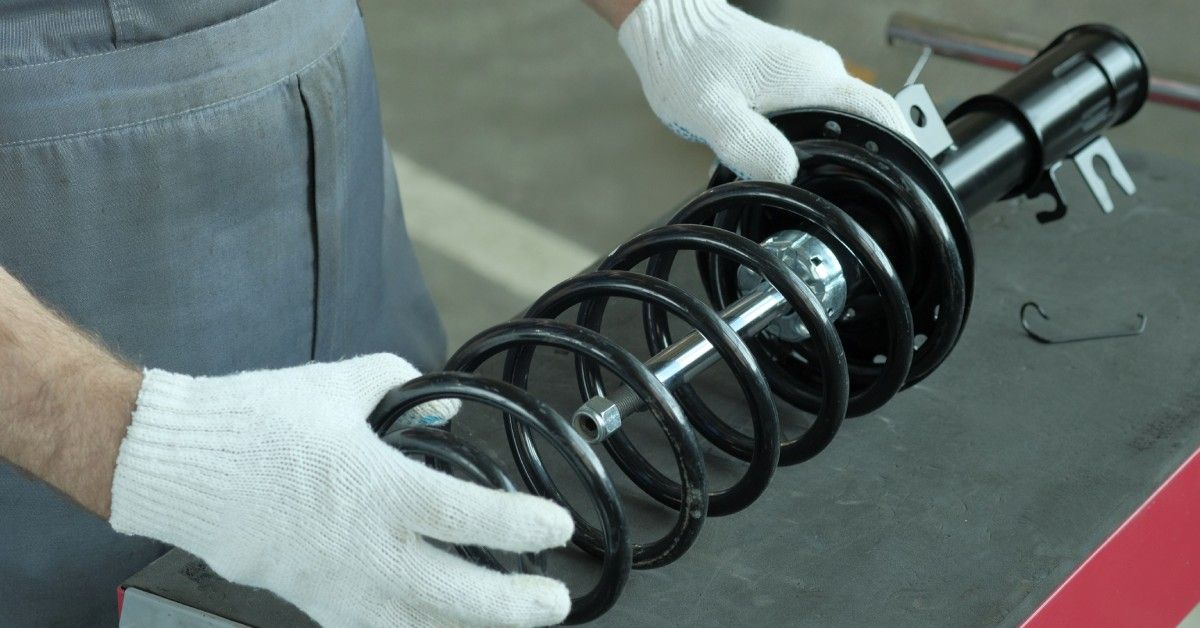
While some shock and strut symptoms are obvious to any driver, professional inspection provides valuable insights that aren’t apparent during normal driving. Experienced technicians can detect early wear patterns, identify related problems, and provide guidance on replacement timing.
Professional inspection becomes particularly important for Audi vehicles with electronic suspension systems. Diagnostic equipment can read system fault codes and monitor real-time operation to identify problems that might not yet produce noticeable symptoms. Early detection allows for planned replacement rather than emergency repairs.
Protecting Your Investment and Your Safety
Your Audi’s shocks and struts represent a small fraction of your vehicle’s value but play a big role in safety, performance, and driving enjoyment. These hardworking components deserve attention and maintenance to preserve the driving experience that drew you to Audi ownership.
Regular inspection, prompt attention to warning signs, and quality replacement parts ensure your Audi continues providing the safety, comfort, and performance you expect.
Don’t wait for obvious problems to develop before addressing shock and strut maintenance. Proactive care keeps you safe on the road while protecting your investment in your vehicle!