
Why Audi Owners Should Never Ignore Brake Rotor Maintenance
As an Audi owner, you’ve come to expect exceptional performance and precision engineering. Your vehicle is brilliantly designed to deliver an outstanding driving experience, and maintaining its performance requires regular care and attention, particularly when it comes to brake rotors.
Brake rotors play a critical role in ensuring your safety on the road. This walkthrough will explore the necessity of brake rotor maintenance, the risks of neglect, and how you can keep your Audi performing at its best. Learn why Audi owners should never ignore brake rotor maintenance.
What Are Brake Rotors and Why Do They Matter?
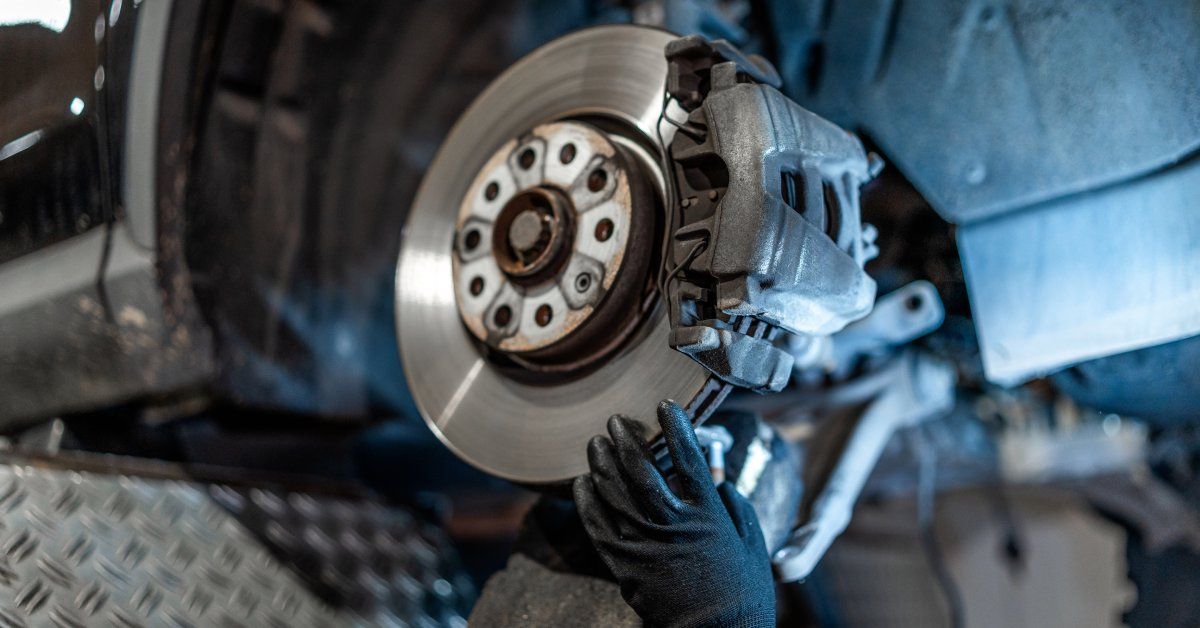
Brake rotors in your Audi are simple yet invaluable parts of your vehicle’s braking system. These discs interact with brake pads to slow down or stop your car when you press the brake pedal. After activating the pedal, calipers squeeze the brake pads against the rotors, converting the kinetic energy of your moving car into heat energy. The result is a smooth, controlled stop.
The high-performance nature of Audis means brake rotors endure high stress. Audi vehicles have specialized rotors that handle daily driving beautifully. These rotors are generally made of advanced materials, such as carbon composite or high-grade cast iron, for optimal durability and heat dissipation. No matter how advanced they are, rotors wear down over time due to constant friction and heat.
Ignoring the condition of your Audi’s brake rotors risks more than poor performance. The condition of your rotors is directly linked to your vehicle’s ability to stop, affecting your driving experience and safety.
Recognizing the Symptoms of Worn Rotors
Knowing when your brake rotors need attention can save you from dealing with costly repairs or dangerous driving situations. Worn-out rotors send clear signals that you need to replace or repair them, so pay attention to these indicators.
One common sign is unusual sounds, such as high-pitched squealing, during braking. This noise occurs when the brake pads are worn down, pressing directly against the rotor’s surface and creating a metallic squeal. A warped or excessively thinned rotor can also produce grinding noises when braking.
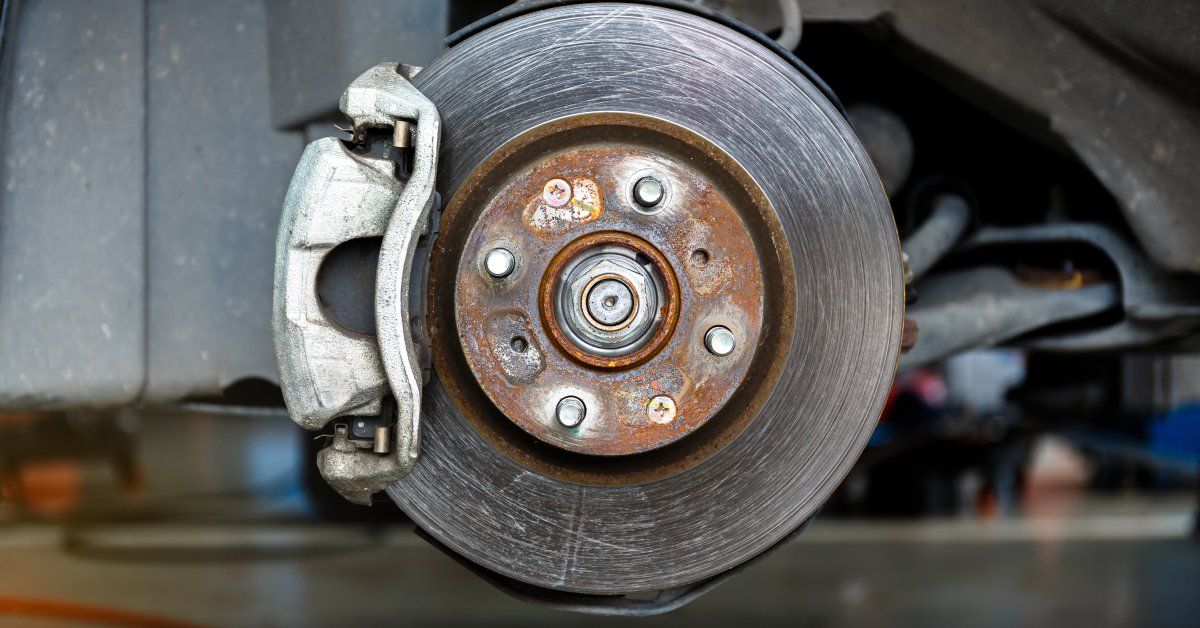
Vibrations in the brake pedal or steering wheel are another indicator that your rotors may be uneven or damaged. You’ll notice these vibrations prominently during braking at high speeds, as inconsistencies in the rotor surface fail to provide a smooth braking motion. Additionally, widened grooves or scoring marks on the rotor are clear indications of wear that need addressing.
Pay attention to increased stopping distances, as well. If your Audi isn’t stopping as quickly or smoothly as it used to, the brake rotors may be the culprit. Overheated or excessively worn rotors lose their ability to generate the required friction effectively, compromising your ability to stop suddenly.
What Happens When Brake Rotor Maintenance Is Ignored?
One of the biggest reasons Audi owners should never ignore brake rotor maintenance is that it can have serious consequences for your vehicle and your safety. Worn-out rotors cannot provide adequate stopping power, increasing your risk of an accident, especially during sudden braking scenarios.
Ignoring warped or improperly functioning rotors can also lead to uneven brake pad wear. This may cause additional damage to surrounding components of the braking system, such as calipers and brake lines. Over time, consistent heat buildup from worn rotors can compromise the integrity of the braking system and reduce its performance and lifespan.
Continuing to operate a vehicle with deteriorated rotors negatively impacts fuel efficiency. Damaged rotors create excess drag, forcing the engine to work harder than necessary. Over time, this could increase fuel consumption, strain the engine, and degrade your vehicle’s performance.
Ignoring brake rotor maintenance can negatively affect the resale value of your Audi. When prospective buyers learn that you overlooked critical maintenance, it sends a red flag regarding the care and condition of the car.
Caring for Your Audi’s Brake Rotors
Maintaining the health of your Audi’s brake rotors doesn’t have to be complicated. Preventative measures and awareness can go a long way in ensuring their longevity and optimal performance. Start by driving mindfully and avoiding aggressive braking whenever possible. Smooth, gradual braking reduces stress and excess wear on the rotors.
Pay attention to your driving environment. Stop-and-go traffic in urban areas can take a toll on your vehicle’s rotors faster than highway driving. If you’re constantly braking in traffic or navigating steep terrain, be ready for faster wear and consider checking your rotors frequently. Regular inspections are essential for catching minor issues before they escalate.
Use the right brake pads for your vehicle. Premium brake pads designed for Audi models reduce rotor wear better than cheaper alternatives. Opt for original equipment manufacturer (OEM) parts to guarantee compatibility and performance. Audi OEM brake rotors from Audi Midwest will be a seamless and reliable replacement for your current rotors.
When It’s Time To Call in the Professionals
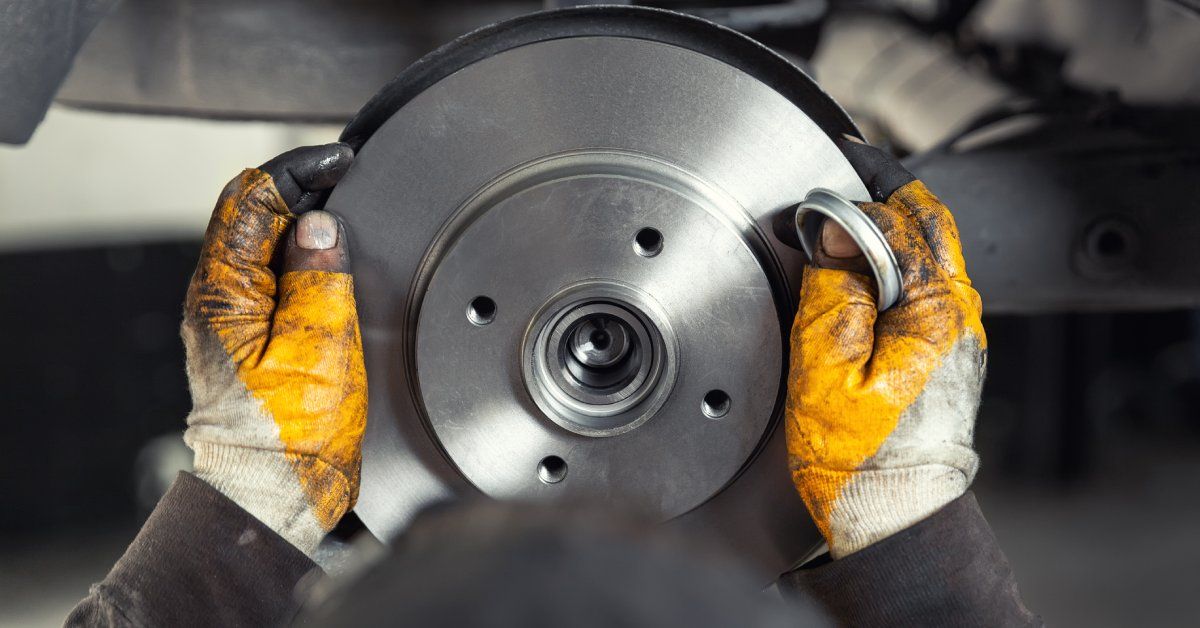
Even seasoned DIYers should exercise caution when it comes to brake rotor maintenance or replacement. The precision and complexity of Audi braking systems require specialized tools and expertise. Attempting to replace or repair rotors without experience can do more harm than good, compromising the safety of the entire braking system.
A routine professional inspection of your Audi’s brakes is invaluable. Certified technicians can identify subtle issues that are easy to miss, such as slight warping or micro-cracks. They can also determine whether resurfacing the rotors is better than a full replacement.
Certain driving conditions may warrant more frequent inspections, such as prolonged exposure to wet roads or driving in mountainous regions. A professional can help you establish an inspection schedule that suits your driving habits and locale.
Prioritize Your Safety and Performance
Your Audi is more than just a car; it’s a finely tuned machine that deserves careful maintenance to preserve its premium performance. Brake rotors are integral components in your car’s braking system, and they play a pivotal role in your safety and driving experience. By prioritizing their maintenance, you’re extending the life of your Audi and enjoying peace of mind every time you get behind the wheel.
Don’t wait until it’s too late! Paying attention to your brake rotors, combined with professional support, will keep your vehicle operating smoothly and safely.